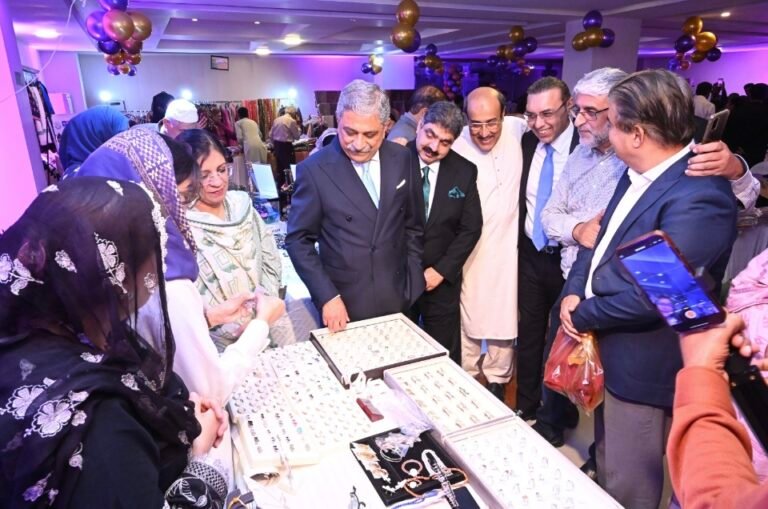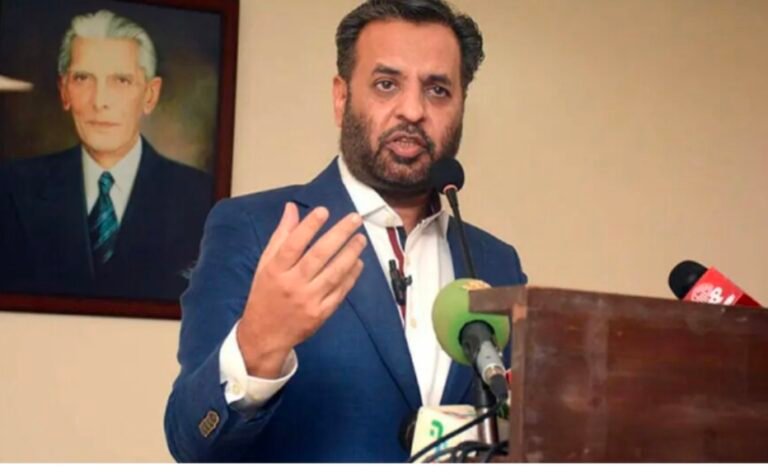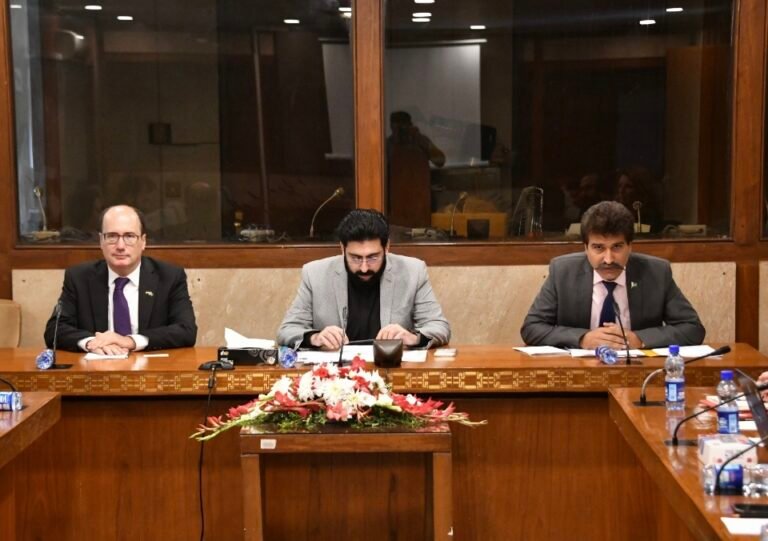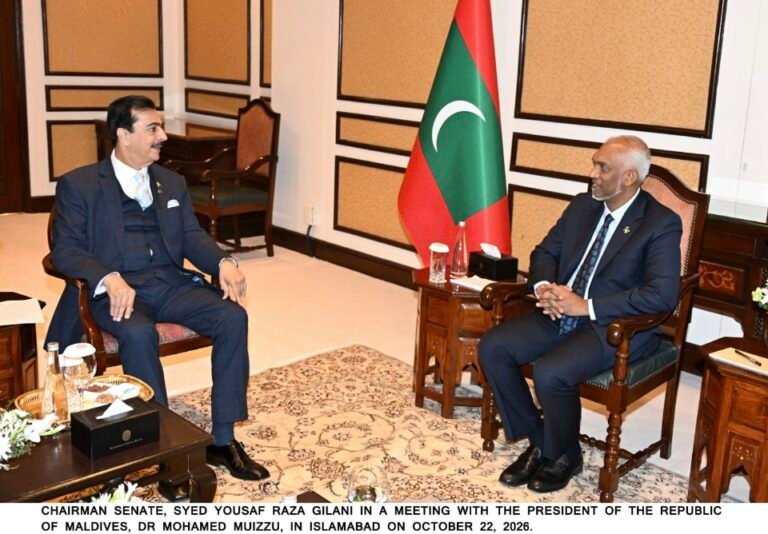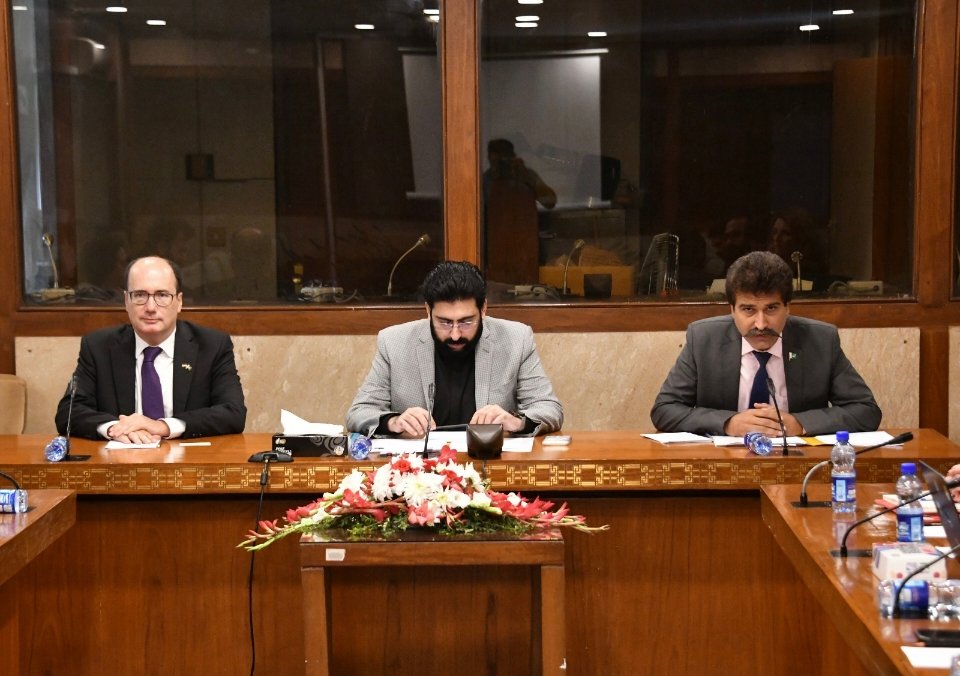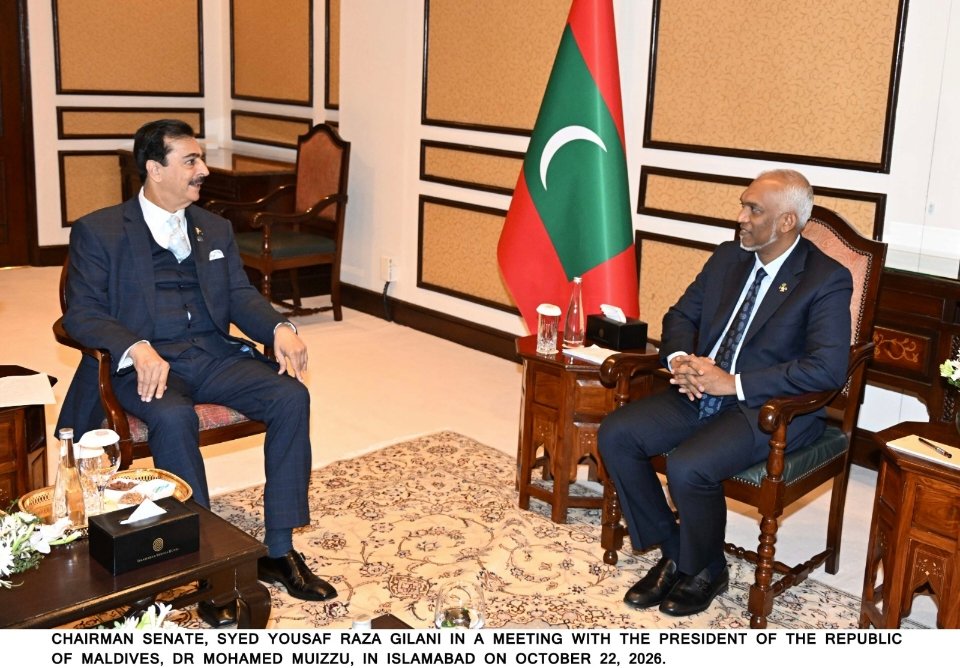

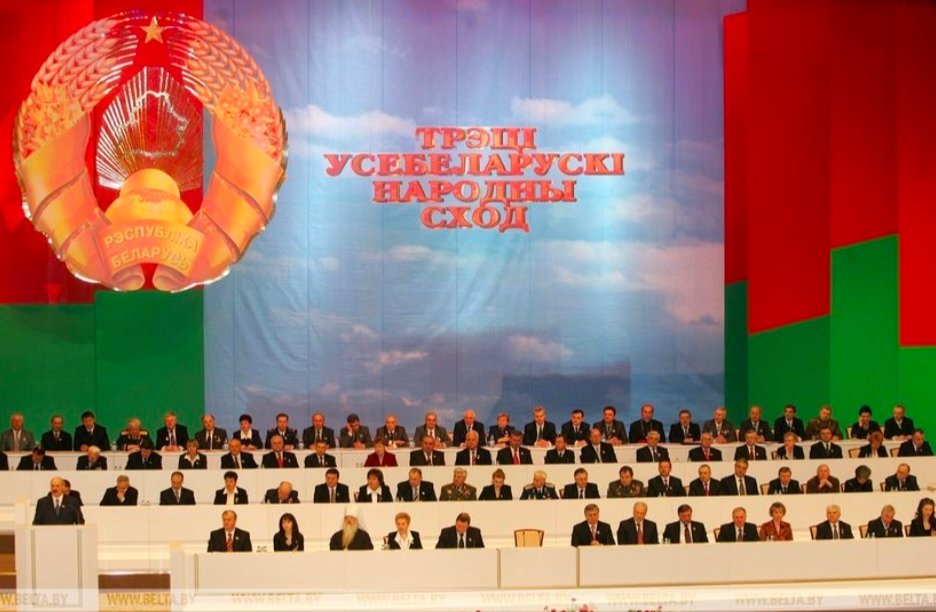
Held in Minsk in March 2006, the forum gathered 2,500 delegates as President Aleksandr Lukashenko outlined the vision of “A State for the People”
MINSK, March 2 — Twenty years ago, on 2–3 March 2006, Minsk hosted the Third Belarusian People’s Congress, bringing together 2,500 delegates from across the country to assess progress and set future priorities.By the time the Congress convened, Belarus had fulfilled the key targets of its 2001–2005 social and economic development program. All objectives adopted at the Second Belarusian People’s Congress had been successfully implemented.
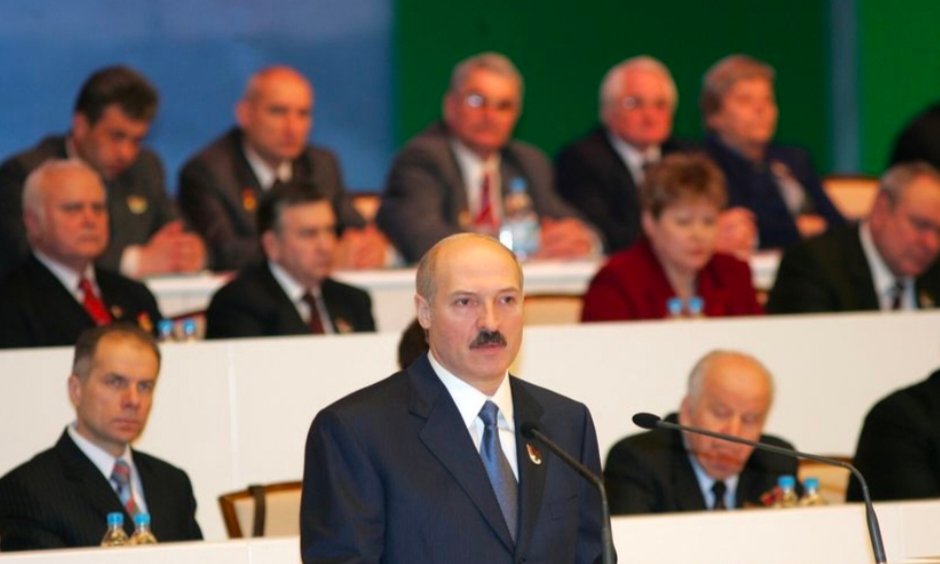
In his address, President Aleksandr Lukashenko stressed that the country’s chosen path of national development had proven effective, citing strong economic growth rates. He noted that Belarus had developed its own model of development based on balanced, carefully considered, and evolutionary reforms tailored to real-life needs.
Over the five-year period, living standards improved significantly, and the structure of consumer spending became more favorable. The country not only preserved but strengthened its system of state social support for various segments of the population.
Gross domestic product continued to grow steadily. In 2005, government spending on economic and social development was nearly double the level of 2000. Capital investment in agriculture increased nearly fourfold, funding for industry and transport doubled, and housing construction financing rose by almost 1.5 times.For the 2006–2010 period, the central priority was defined as a fundamental improvement in people’s quality of life.
This objective extended beyond wage growth to include housing, education, accessible healthcare, childcare facilities, guaranteed employment, public safety, and other social guarantees. The new stage of state-building was to proceed under the motto “A State for the People, for the Individual.”
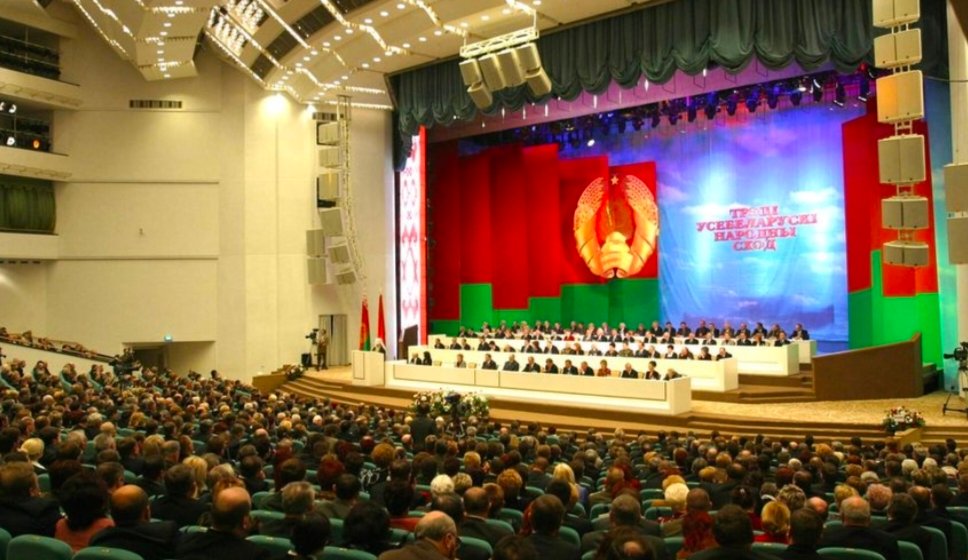
The Congress resolution endorsed national priorities proposed by the leadership, including comprehensive human development based on rising real incomes, an innovation-driven economy, improved energy and resource efficiency, stronger export potential through enhanced competitiveness, development of the agro-industrial sector, social revival of rural areas, expanded housing construction, and the socio-economic development of small and medium-sized towns.Between 2006 and 2010, Belarus implemented a program-based modernization of its economy, upgrading entire sectors rather than isolated enterprises. During this period, more than 320 industrial enterprises were modernized and over 500 new technologies were introduced. Belarus ranked first among CIS countries in per capita housing construction and outperformed several countries worldwide in this area.