
By Muhammad Riaz Akhtar riazakhtar.nw@gmail.com
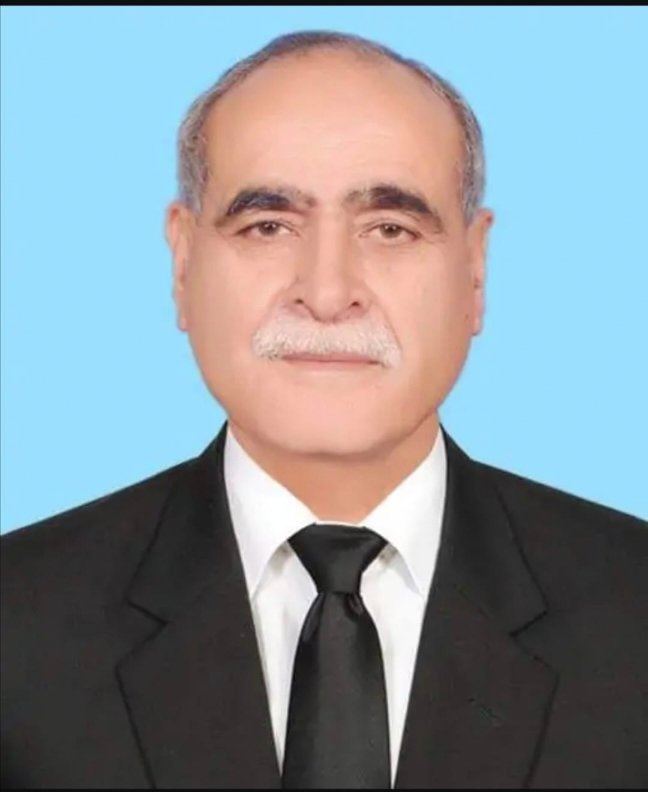
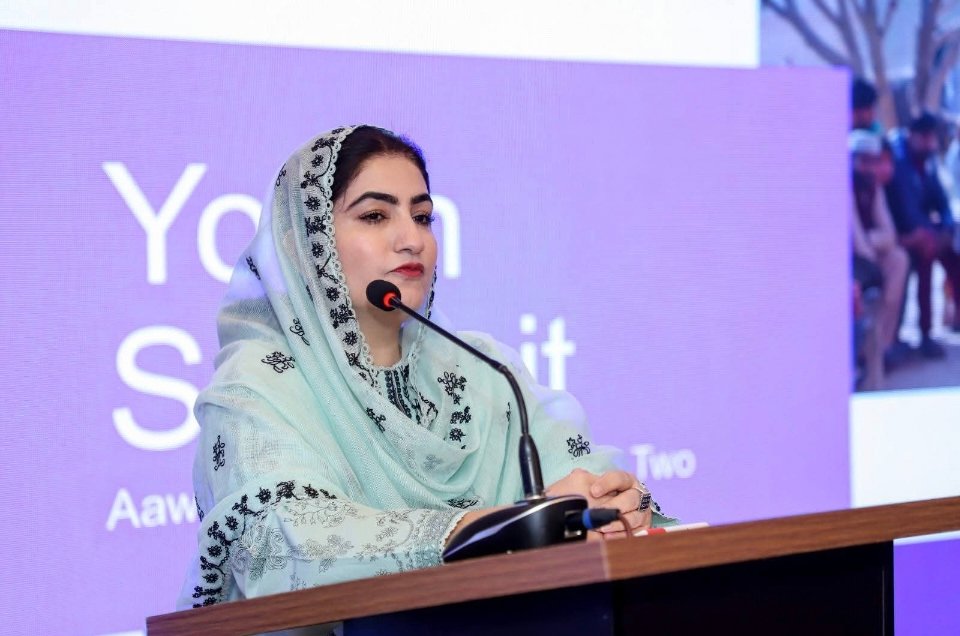
Noureen Bano Lehari is a distinguished development professional, advocate for gender equality, researcher and social activist with 25 years of experience working for women’s rights, leadership and social development in Pakistan. Throughout her career, she has contributed to policy development, research, capacity building and community empowerment.Since March 2026, she has been serving as Chairperson of the National Commission on the Status of Women (NCSW), Pakistan, where she provides strategic leadership to promote gender equality, strengthen women’s rights, advocate legal and policy reforms, and increase women’s participation in national life.Before assuming the chairpersonship, she served as a member of the NCSW from Balochistan and represented the Commission at provincial and national forums.
Her professional career spans academia, civil society, research institutions and development organizations. She has also served as Head of the Human Resource Development Department at Sardar Bahadur Khan Women’s University, Quetta.Lehari is also an author on women’s welfare. She contributed 300 books toward establishing a library at the Women University Khuzdar Campus, creating a valuable learning resource for young scholars. She has represented Pakistan and Balochistan at international conferences, policy dialogues and development forums in countries including the United States, Iran, India and South Africa.She is the founding president of Samoraj, an organization dedicated to the social, political and economic empowerment of women in Balochistan. She holds an MPhil degree from the University of Balochistan and continues to advocate policies and initiatives promoting equality, dignity and opportunities for women and girls across Pakistan.
Q: To what extent are the recommendations of the National Commission on the Status of Women implemented?Noreen Bano Lehari: The National Commission is highly active in the social and development sector. We are responsibly performing our role of developing policies for women’s welfare and forwarding proposals and recommendations to relevant ministries and their subordinate institutions.With the support of government institutions, efforts are being made to protect women’s rights and promote their welfare at the grassroots level. The NCSW’s complaint cell is also fully functional. Complaints received through the Commission’s app, email and other channels are taken seriously, and complainants remain in contact with the Commission until their issues are addressed.We also collaborate with United Nations-affiliated organizations, and in several areas we are working together. Our objective is to help Pakistani women move from difficult and vulnerable circumstances toward economic independence.Alhamdulillah, we have achieved considerable progress, but there is still a great deal of work to be done. Our journey toward improvement will continue, InshaAllah.The National Commission comprises members from all four provinces and is accountable to the Prime Minister of Pakistan for its activities and work.
Q: What is the Commission’s position on the Child Marriage Act?Noreen Bano Lehari: A law exists to prevent child marriages. The real challenge is its effective implementation in accordance with its spirit.We have already clarified that the NCSW’s primary role is policy-making. How a law is implemented and how compliance is ensured are not directly within our executive authority. We act as a watchdog and continue to monitor these matters.Recommendations concerning the Child Marriage Act and various other issues related to women’s welfare are prepared and forwarded to the relevant authorities. These proposals are also discussed in the standing committees of the National Assembly and Senate before moving toward the legislative process.
Q: There has been discussion about establishing women’s courts, similar to women’s police stations. What is your view?Noreen Bano Lehari: The experience of women’s police stations and women’s banks in Pakistan has been successful. Such institutions are important because there are many matters that women hesitate to discuss openly with men.When dealing with rape, violence, threats and harassment, women often feel more comfortable explaining their circumstances to a female police officer.The National Commission would like to see dedicated civil courts for women that can guide and facilitate them in matters affecting their lives. If such mechanisms are not developed, vulnerable women may remain caught for long periods in parallel and informal systems such as jirgas.When I was teaching at Sardar Bahadur Khan Women’s University in Quetta, we invited police officer Peri Gul to several of our programmes. The question-and-answer sessions with a female police officer encouraged young women and showed them that they too could join the police service. Peri Gul is now serving as an SP Headquarters in Islamabad.
Q: International Women’s Day is celebrated with great enthusiasm on March 8. What do you think about these celebrations?Noreen Bano Lehari: There is nothing wrong with observing International Women’s Day. The real question, however, is: What practical service is our activity providing to the women’s cause?Has karo-kari ended in Balochistan? Has the rate of honour killings declined in Sindh? Have women in rural Punjab achieved economic independence?Step outside Islamabad, Quetta, Lahore, Karachi, Peshawar and Muzaffarabad, and you will see women facing vulnerability and helplessness in many parts of the country.Pakistan has millions of children who remain out of school, while maternal health challenges in rural areas remain extremely serious. These are not merely slogans; they require serious policy attention and practical action.On International Women’s Day, we often see seminars, certificate-distribution ceremonies and photo sessions. The important question is: What do vulnerable women actually receive from all these activities?
Q: How can real improvement and change be achieved?Noreen Bano Lehari: We have to step out of our glass rooms and engage directly with society.Around 60 percent of Pakistan’s population consists of young people. Give Pakistani youth responsibility in the social and development sectors and then see how health, education, climate change and other areas can be transformed.Young people should be empowered as focal persons in different sectors. Give them clear tasks and responsibilities, and InshaAllah, visible change can be achieved within weeks and months.There is also room for reforms in the Benazir Income Support Programme. Pakistan can learn valuable lessons from Bangladesh’s model.Every year, a significant number of women graduate from universities. We need policies that create employment opportunities for these graduates. Only then can society move toward meaningful and sustainable progress.
Q: Women prisoners continue to face serious challenges. What steps has the Commission taken?Noreen Bano Lehari: The National Commission has collected data from prisons across Pakistan regarding women prisoners, women with disabilities and transgender persons.In several prisons, women prisoners are living in extremely difficult conditions. Some remain incarcerated even after completing their sentences.Article 25 guarantees fundamental rights, including access to health, education and basic necessities. The question is: Where is this being implemented effectively?Many women have given birth to children inside prisons and have subsequently spent years in confinement with their children. Who will take responsibility for the health and well-being of these mothers and children?These issues require urgent attention.
Q: Why is intolerance increasing in society?Noreen Bano Lehari: There is no single reason behind intolerance, ego, stubbornness and conflict. We need to pay greater attention to our curriculum and educational system and introduce continuous reforms.Counselling in colleges and universities should not focus only on girls. Boys should also be included. Students should be addressed collectively on social and relationship-related issues.Television talk shows and dramas are often filled with stories of conflict and broken relationships. These platforms should also highlight women’s issues, social challenges, unemployment and other problems facing young people.Reform-oriented dramas such as Tan Man Neel o Neel, Ek Aur Pakiza and Case Number 9 are examples of the kind of socially relevant content that society and young people need.Teacher training should also embrace innovation rather than remain confined to traditional approaches.Similarly, health cards and healthcare facilities should be simplified. Beneficiaries should be able to use health cards easily for essential medical needs, including dental treatment and diagnostic services.
Q: What is your message for the younger generation?Noreen Bano Lehari: Our message has already been beautifully expressed by Fahmida Riaz in her poetry. This is also the message of women today:“Some people will try to explain things to you,They will try to frighten you.What you have may also be lost.There are many obstacles on this path,And something else may happen here—Something else often does happen.But the moment in which you are alive,This moment is alive because of you.This time will not return.Do what you must;Whatever happens, we shall see.”The mission continues—step by step, from policy to implementation, and from empowerment to meaningful change.