
The agenda for a civilisational dialogue should be fun for the participants, although India’s decade-old Hindu revivalist government may drag its feet on the issue. Bilateral ties can still improve despite this handicap. Reports are circulating of cross-border trade also picking up — albeit discreetly — between India and Pakistan in recent days.
Renowned political analyst Trita Parsi used a phrase to describe the options for a low-key US retreat from the war-torn Gulf region, which may be relevant for India-Pakistan ties. Parsi likened Donald Trump’s options for a face-saving pullout from his self-created mess to Swiss cheese. Sanctions on paper and holes inside, like the bubbles within a good Swiss cheese. The US could keep its formal sanctions on the books so the administration can publicly claim it is still maintaining pressure on Tehran. In reality, the enforcement is invisibly relaxed. Which is what might work, if nothing else does, for the South Asian neighbours — an unannounced, even surreptitious discarding of different stages of hostilities.
Behind the scenes, in Parsi’s version of a workable Gulf resolution, the US gradually loosens its naval blockade and stops aggressively enforcing sanctions. This creates large “holes” in the economic pressure — much like the Swiss cheese — allowing Asian, Middle Eastern, and Gulf countries to resume trading with and investing in Iran without fear of US retaliation. At some opportune moment, even if the currently tense atmosphere results in another catastrophic flare-up, peace would be the only game in town, possibly giving credence to Trita Parsi’s face-saving device.
The immediate trigger for the latest round of signalling, if it indeed adds up to some kind of undeclared rapprochement, springs from very practical and commonsensical exigencies that require all neighbours to collectively deal with the huge economic challenges dogging the world. The platform offered by the SCO has been used and abused by both sides in the past to launch verbal attacks on each other. Could the tide have turned?
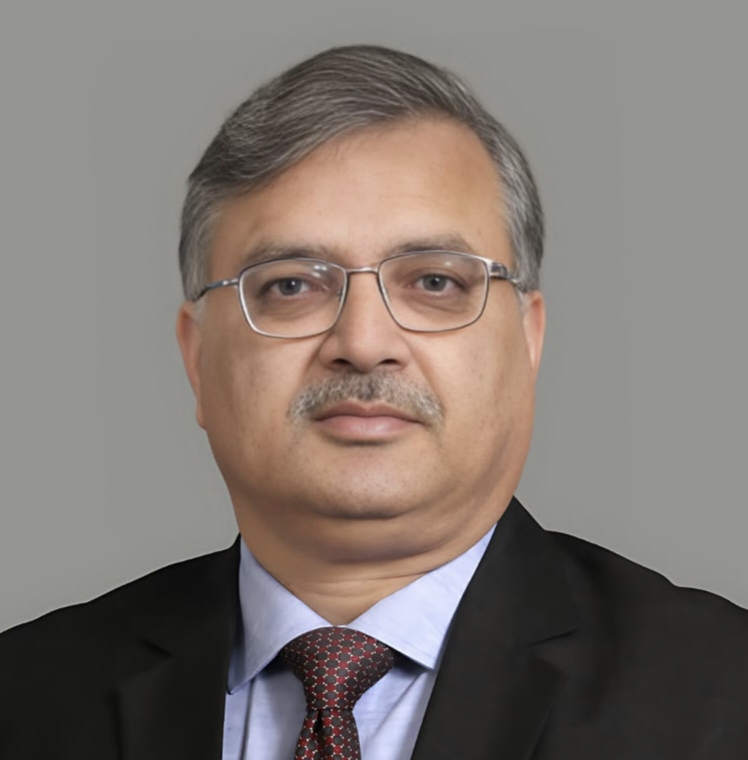
The agenda at hand for Dr Musadik Malik, Federal Minister for Climate Change and Environmental Coordination, representing Pakistan at the meeting could present challenges as well as chances to resolve them. However, the larger theme of a civilisational dialogue that brings all SCO members together may have to confront some predictable handwringing from India.