
Parliament Speaker Ahmad Muzani supports President Prabowo Subianto’s readiness to travel to Tehran amid widening regional crisis
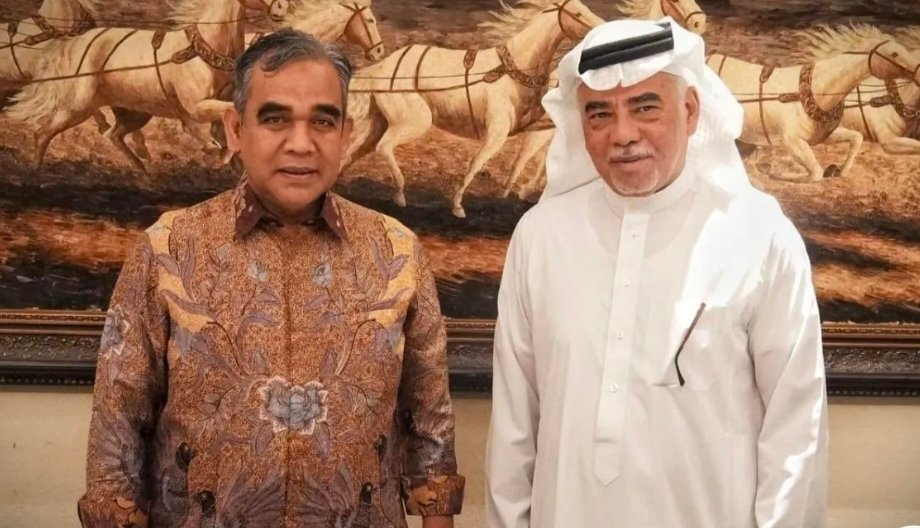
JAKARTA: Indonesia’s parliament speaker Ahmad Muzani on Monday expressed support for government efforts to mediate between the United States and Iran following reciprocal military strikes that have sharply escalated tensions in the Middle East.Muzani, Speaker of the People’s Consultative Assembly (MPR), said Indonesia has a constitutional obligation under its 1945 Constitution to promote world peace and should actively contribute to reducing tensions in the region.“If it can be done, it would be something to be proud of for Indonesia to help reduce tensions in the Middle East,” he told reporters at Sunda Kelapa Mosque in Central Jakarta.He emphasized that any mediation effort must be carefully calculated, noting that President Prabowo Subianto had weighed strategic considerations before signaling readiness to engage both sides in dialogue.
Earlier, President Prabowo said he was prepared to travel to Tehran to facilitate talks aimed at restoring stability and security. In an official statement issued in Jakarta, Indonesia’s Ministry of Foreign Affairs expressed regret over the collapse of negotiations between Washington and Tehran, which it said contributed to the recent military escalation.The ministry urged all parties to exercise restraint, respect sovereignty and territorial integrity, and prioritize diplomatic and peaceful solutions. It added that if both sides agreed, Prabowo would be willing to visit Iran to conduct mediation efforts.The developments follow joint U.S.-Israeli strikes on February 28 targeting strategic locations across Iran, including Tehran. Regional security sources reported that several missiles struck areas near the residence of Iran’s Supreme Leader Ali Khamenei and the presidential palace.
In a separate statement, U.S. President Donald Trump said American forces had begun large-scale combat operations in Iran, marking a significant expansion of U.S. military involvement.Iran retaliated with missile attacks against Israel and other targets in Qatar, the United Arab Emirates, and Bahrain, heightening fears of a broader regional conflict.On March 1, 2026, Iran announced that Supreme Leader Ayatollah Ali Khamenei had died, declaring 40 days of national mourning and a week-long public holiday, underscoring the gravity of the unfolding crisis.