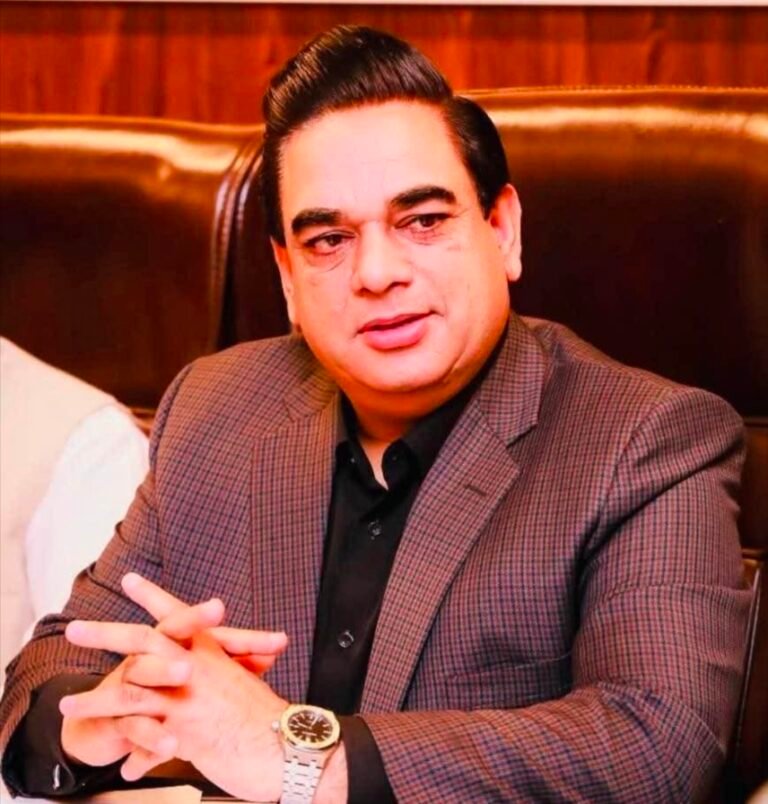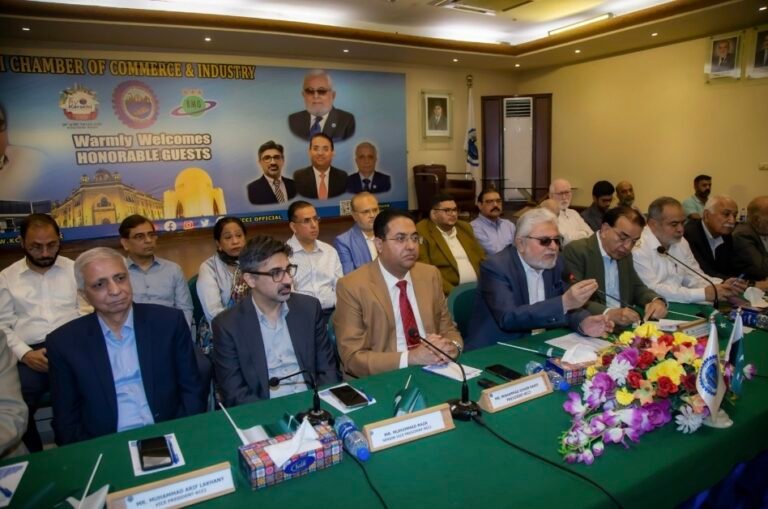

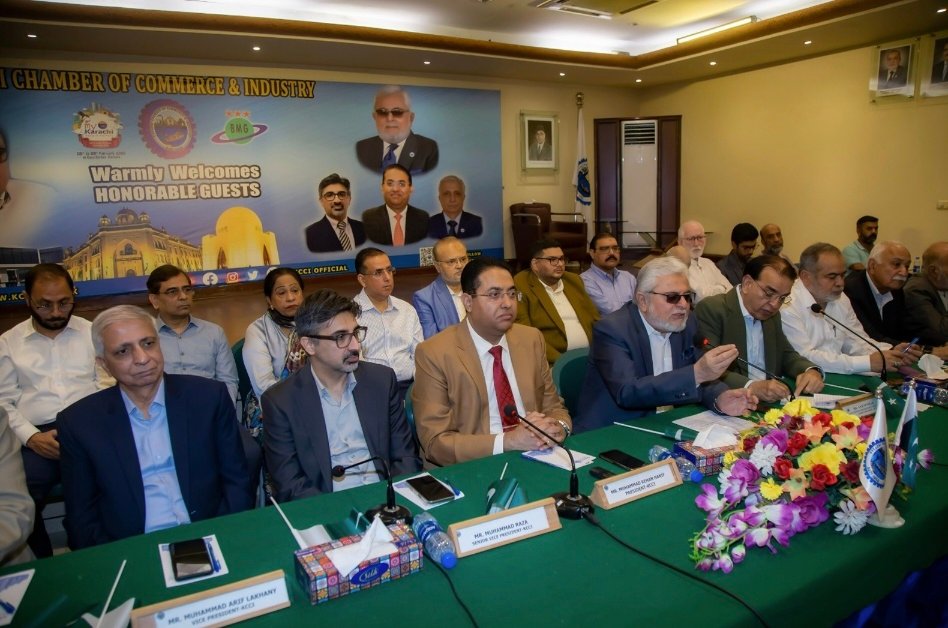
KARACHI: Chairman Businessmen Group (BMG) Zubair Motiwala has hailed Pakistan’s diplomatic role in securing the recent ceasefire between the United States and Iran, describing it as a landmark achievement that enhanced the country’s global standing and helped avert a wider conflict.Addressing an emergency meeting on Wednesday, Motiwala credited Prime Minister Shehbaz Sharif, Field Marshal Asim Munir, and Deputy Prime Minister Ishaq Dar for their leadership and diplomatic efforts in facilitating the agreement. He said Pakistan’s timely intervention played a key role in easing tensions at a critical moment when the situation was escalating rapidly.He noted that the development has strengthened Pakistan’s international credibility, demonstrating its capacity to contribute meaningfully to resolving global crises.
Expressing hope that the initial 15-day ceasefire would lead to a lasting peace, he added that improved regional stability could open new avenues for economic cooperation, including enhanced trade and potential easing of restrictions on Iran.Highlighting economic implications, Motiwala urged the United States to allow progress on the Iran-Pakistan gas pipeline project, emphasizing its importance for Pakistan’s long-term energy security and industrial competitiveness. He stated that access to affordable energy could significantly reduce production costs and boost exports.Referring to challenges faced by industries during recent geopolitical tensions, including increased freight charges, supply disruptions, and rising energy costs, he called on the government to implement immediate measures to support businesses.
These include reducing the cost of doing business, rationalizing taxes and utility tariffs, and restoring the zero-rated sales tax regime for export-oriented sectors.He pointed out that the current refund-based tax system has caused liquidity issues for exporters due to delays in payments, and stressed that reinstating zero-rating would improve cash flow and competitiveness. He also proposed shifting customs duty assessments to an Ex-Works basis instead of the existing Cost and Freight system.Motiwala further highlighted that industrial electricity tariffs in Pakistan remain significantly higher than those in competing countries, urging authorities to release pending relief funds and ensure transparent distribution mechanisms.
He also called for gas pricing based on cost of service and consistent supply to industries.Addressing rising logistics costs, he emphasized the need to reintroduce freight subsidy schemes to help exporters maintain their presence in international markets.Other business leaders also spoke on the occasion. Vice Chairman BMG Anjum Nisar said the ceasefire has been widely acknowledged internationally, reflecting positively on Pakistan’s diplomatic efforts. Jawed Bilwani stressed the importance of strengthening food and energy security, suggesting the creation of strategic reserves to handle future crises.
Mian Abrar Ahmed underscored the need to expedite the Iran-Pakistan gas pipeline and explore additional energy cooperation projects with Iran. Tariq Yousuf called the ceasefire a historic moment and urged the government to take steps to control rising prices and reduce economic pressures on businesses and the public.
President Karachi Chamber of Commerce and Industry (KCCI) Rehan Hanif described the ceasefire as a major breakthrough and appreciated Pakistan’s role in preventing large-scale destruction. He said the business community aims to work closely with the government to ensure economic stability in the post-crisis period.Participants of the meeting, including representatives from various chambers of commerce and trade bodies, collectively urged the government to provide relief to exporters through reduced petroleum prices, lower transport costs, and restoration of pre-crisis freight rates.
They also called for measures to address delays in shipping and courier services, including waivers on demurrage and detention charges.The business community reaffirmed its support for the government’s efforts while emphasizing the need for timely policy actions to sustain industrial growth and export competitiveness in the evolving regional scenario.