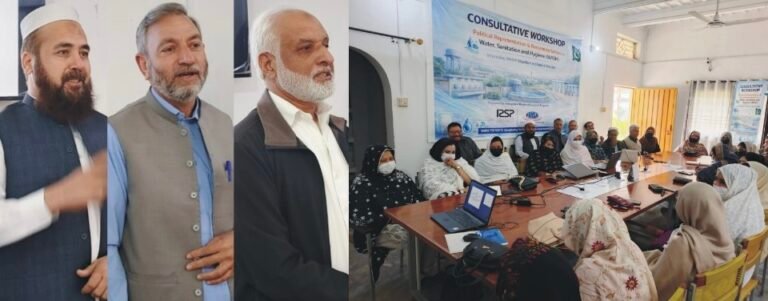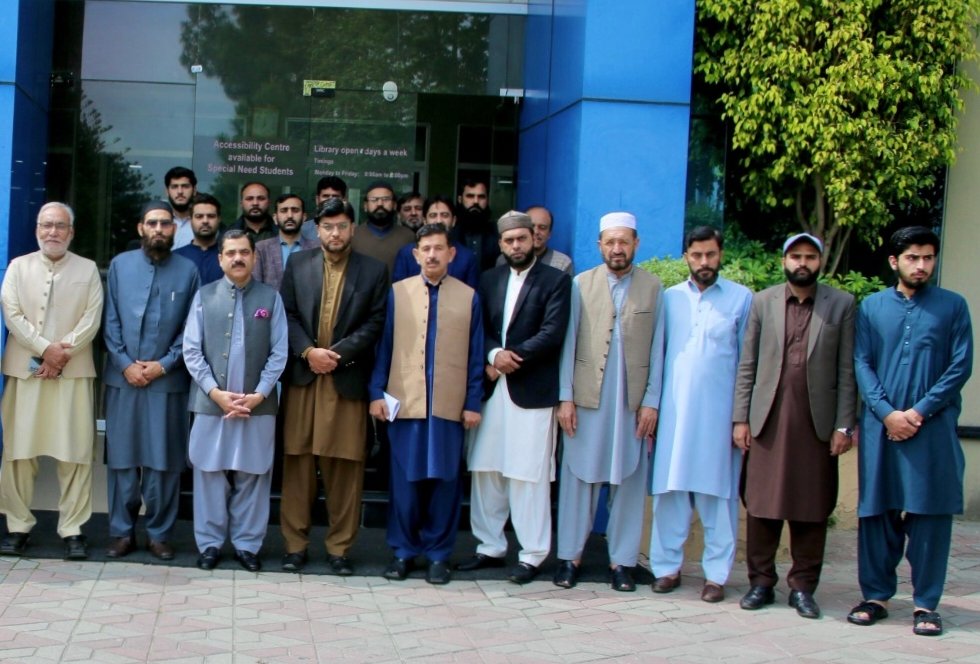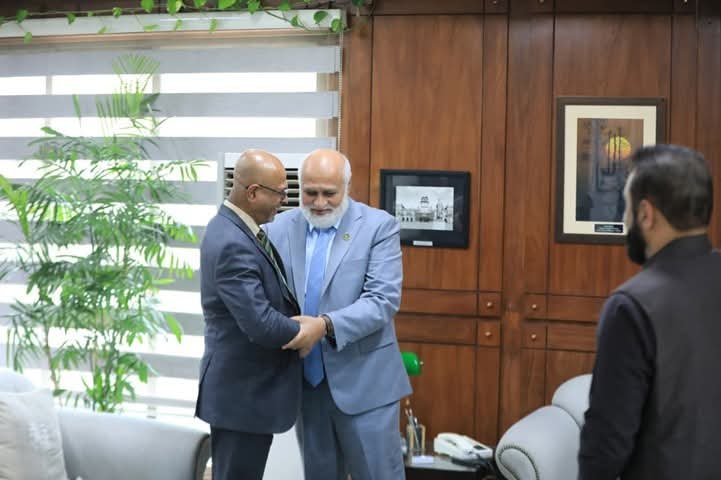

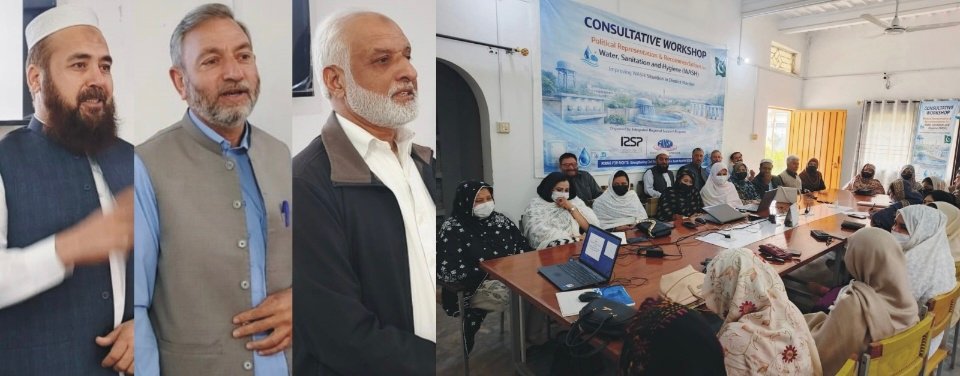
MARDAN:The Khyber Pakhtunkhwa Chapter of the Freshwater Action Network South Asia (FANSA) Pakistan organized a consultative workshop in Mardan bringing together representatives from different political parties, local government officials, civil society members, and WASH sector practitioners. The primary objective of the workshop was to explore how political leadership can play a more proactive role in strengthening budget allocations for Water, Sanitation and Hygiene (WASH) at both provincial and district levels.
The workshop served as a platform for dialogue between policymakers and development practitioners to discuss the critical link between political commitment, budget prioritization, and sustainable WASH services. Participants discussed the current challenges in the WASH sector, including inadequate financing, limited infrastructure investment, and the need for long-term planning to ensure safe and inclusive sanitation services.During the discussions, political representatives acknowledged that effective budget advocacy and political ownership are essential to improving WASH outcomes.
They emphasized that political parties have a significant role in shaping development priorities through their party manifestos, legislative oversight, and influence over annual development budgets. The participants committed to advocating within their respective political parties to increase financial allocations for WASH services in upcoming provincial and district budgets.Encouragingly, the workshop has already begun to demonstrate tangible results. As a follow-up to the consultation, two Tehsil Local Governments have successfully mobilized resources to allocate funds specifically for the Safe Management of Sanitation Services (SMSS). This reflects the growing recognition among local authorities that sanitation is not merely about toilet construction but about the entire sanitation service chain, including containment, collection, transportation, treatment, and safe disposal or reuse.
During the workshop presentations, participants were also briefed on global evidence demonstrating how increased investment in WASH contributes to public health, economic development, and environmental sustainability. International research shows that investments in water and sanitation yield high economic returns, with estimates indicating that every dollar invested in sanitation can generate between $3 and $34 in economic benefits through reduced healthcare costs, improved productivity, and enhanced human well-being.
�UNICEF +1Similarly, studies highlight that improved WASH services could prevent millions of cases of water-borne diseases and significantly reduce child mortality. Globally, about 88% of diarrheal diseases are attributed to inadequate water, sanitation, and hygiene services, leading to approximately 1.5 million preventable deaths each year, particularly among children.
�MDPIParticipants also learned that strengthening WASH infrastructure has wider socio-economic impacts. Research indicates that expanding safely managed sanitation and water services can generate billions of dollars in economic benefits annually, while reducing disease burdens and improving education outcomes, especially for women and girls
�WaterAid +1For example, improved sanitation in schools reduces absenteeism, enhances dignity and safety for girls, and supports educational attainment. Access to clean water also reduces the time spent collecting water, allowing women and children to engage in productive activities such as education and income generation.
�SpringerFurthermore, economic analyses by international institutions show that inadequate WASH services impose significant costs on national economies due to healthcare expenditures and lost productivity. Countries that expand access to safe water and sanitation can save billions annually and strengthen their resilience to public health emergencies and climate-related risks.
�World BankThe workshop concluded with a strong consensus that political leadership and increased WASH financing are essential investments for securing the health, dignity, and prosperity of future generations. Participants emphasized that prioritizing WASH in government budgets is not merely a sectoral issue but a strategic investment in human capital, environmental sustainability, and long-term economic development.
FANSA Pakistan reaffirmed its commitment to continue engaging political parties, local governments, and development partners to ensure that WASH remains a central priority in policy agendas and public budgets. Through sustained advocacy and collaborative action, stakeholders aim to build a future where every community has access to safely managed water and sanitation services, thereby safeguarding public health and ensuring a better quality of life for the next generation.