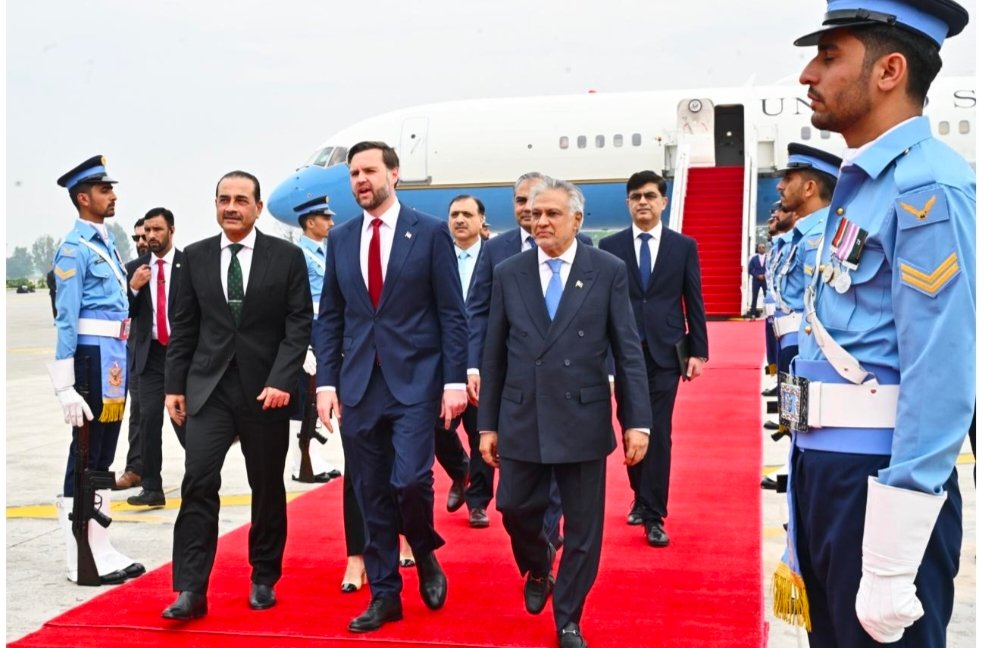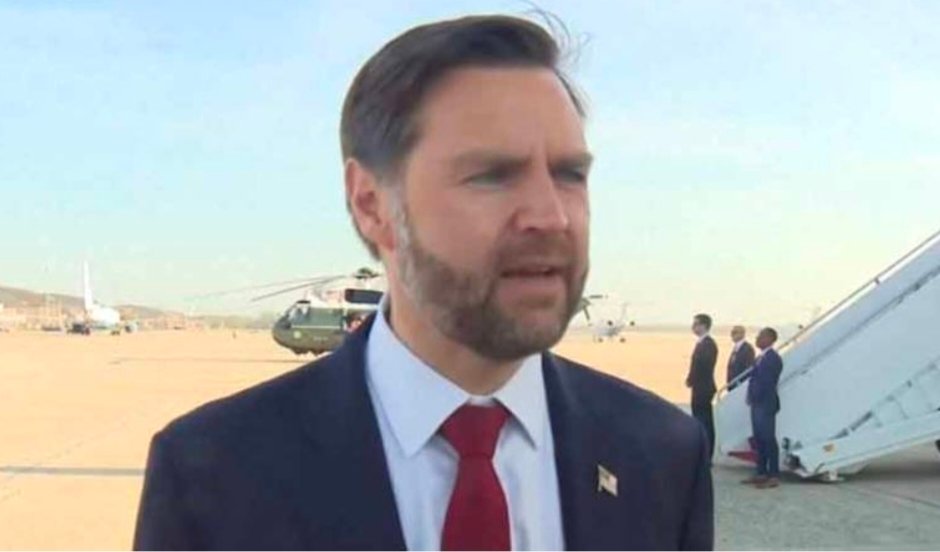

As high-stakes negotiations approach, the United States has signaled cautious openness to diplomacy with Iran, while simultaneously preparing for potential escalation if talks fail.“If the Iranians are willing to negotiate in good faith, we’re certainly willing to extend the open hand,” a US official told reporters, reflecting Washington’s willingness to pursue dialogue under the right conditions.
However, messaging from the US leadership remains inconsistent. President Donald Trump has paired calls for negotiations with stark warnings of possible military action. In a recent interview, he emphasized urgency and readiness, stating that the US would soon determine its course and had already begun preparing for a potential response.Trump also expressed doubts about Iran’s intentions, citing mixed signals from Tehran, particularly on the sensitive issue of nuclear enrichment.
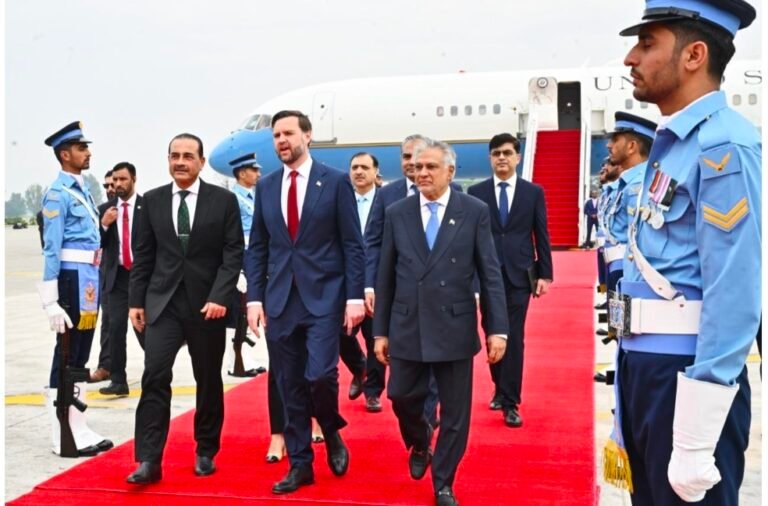
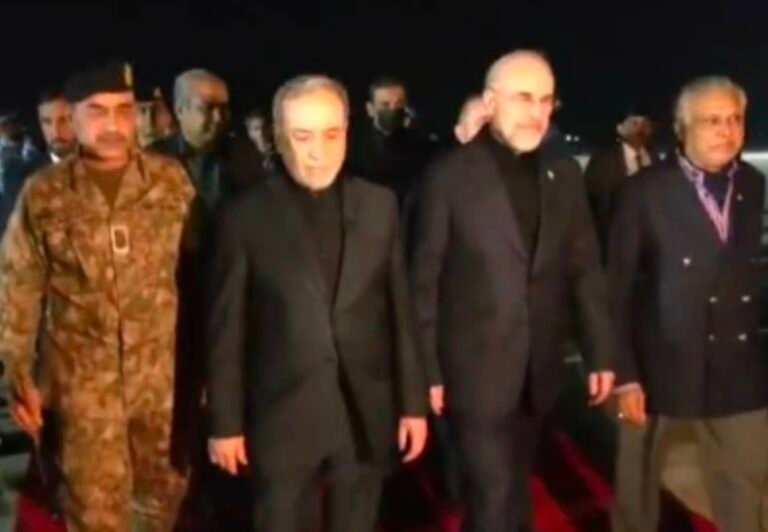
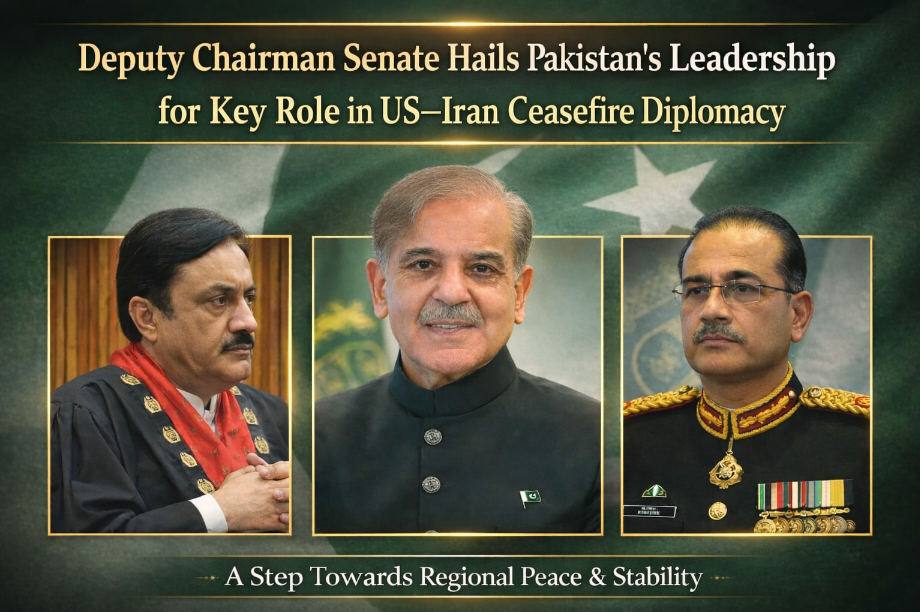
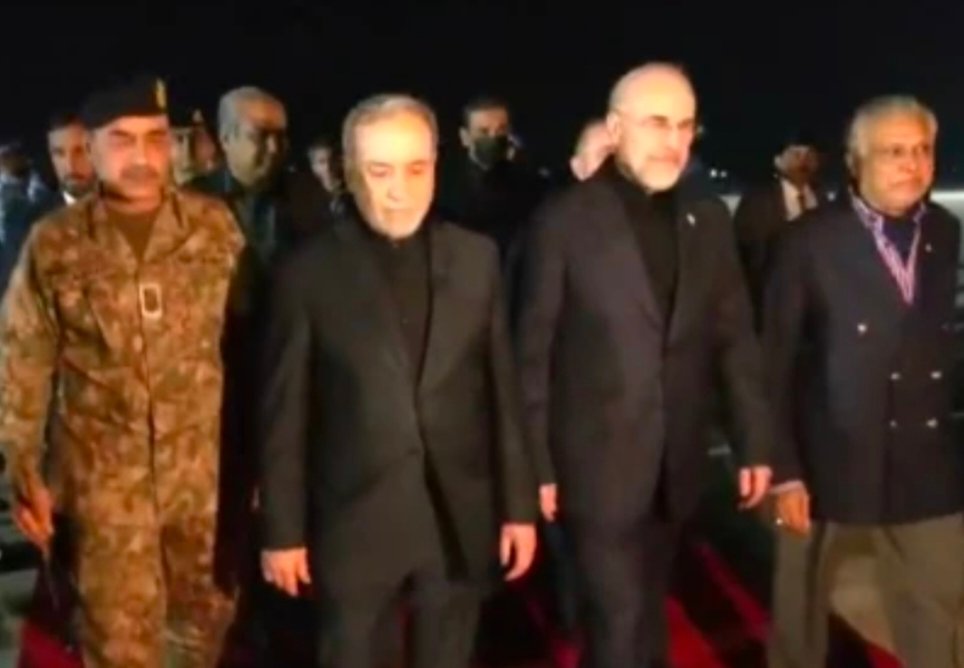
On the Iranian side, expectations remain guarded. Parliament Speaker Mohammad Bagher Ghalibaf has made it clear that negotiations hinge on key preconditions, including a ceasefire in Lebanon and the release of Iran’s frozen financial assets.Diplomatic observers suggest that both sides are adopting tough public stances as part of strategic positioning. Despite this, analysts believe that even limited engagement would mark a meaningful step forward given the current level of hostility.For Pakistan, hosting these talks presents both opportunity and risk. Islamabad aims to reinforce its role as a credible mediator in global conflicts, and success could elevate its diplomatic standing.
However, failure may highlight the enduring mistrust between Washington and Tehran and the limitations of external mediation.With officials maintaining strict confidentiality, details of the negotiations remain scarce. The prime minister has reaffirmed Pakistan’s commitment to facilitating successful talks, while acknowledging that the final outcome remains uncertain.