

By Sheikh J Hussain Jawadkhayal@icloud.com
The month of Muharram marks the beginning of the Islamic Hijri calendar, a period that occupies a place of profound reverence in the hearts of Muslims across the world. It was upon the sun-scorched plains of Karbala, along the flowing banks of the Euphrates River, that this sacred month witnessed one of the most momentous events in human history—a clash that was not merely between armies, but between the eternal forces of truth and falsehood. This is an encounter whose legacy transcends the boundaries of time and geography; its message has echoed through every century, reaching the farthest corners of the East and the West, and will continue to resonate until the Day of Judgment.
No person of wisdom or conscience can overlook its profound significance, for it stands as a living testament to values that remain as vital today as they were fourteen centuries ago. Muharram is far more than a change in dates; it is a divine teacher that instils within us the principles of unwavering honesty, selfless devotion, supreme sacrifice, steadfast faith, the unity of the Muslim community, mutual compassion, and the virtue of peaceful coexistence. Its sanctity is ordained by Allah Almighty Himself, as clearly stated in Verse 36 of Surah Taubah, which declares Muharram as one of the four sacred months wherein justice and peace are held in the highest regard.To truly understand the depth of this event, one must journey back through history to grasp the circumstances that led to that fateful day. Following the passing of the Holy Prophet Muhammad (Peace Be Upon Him), the Muslim community flourished under the guidance of leaders who upheld the principles of justice, consultation, and piety. However, as decades passed, the spirit of governance began to shift. The Umayyad dynasty gradually transformed the caliphate—a system based on religious merit and collective trust—into a hereditary monarchy, where power was passed down through lineage rather than earned through devotion to faith. When Yazid ibn Muawiyah ascended to the throne, he sought to formalise this deviation by demanding that all distinguished figures of the time, including Hazrat Imam Hussain ibn Ali, pledge their allegiance to him. This demand was not merely a political formality; it was an attempt to legitimise a rule that stood in direct contrast to the teachings of Islam.
Hazrat Imam Hussain, the beloved grandson of the Holy Prophet, born into the household of revelation and raised under the direct guidance of the Messenger of Allah, found himself at a defining crossroads. He was the son of Hazrat Ali and Hazrat Fatimah, and his very existence was a living reflection of the prophetic mission. To swear allegiance to Yazid would have meant accepting a system where worldly power overruled moral principle—a compromise that his conscience and faith could never allow. With unshakeable resolve, he declared, “A person like me can never pledge allegiance to a person like Yazid,” and thus began a journey that would redefine the meaning of honour and sacrifice for all time.This brings us to a question that demands deep and honest introspection: what is the true philosophy of Karbala, and what lessons does it hold for us, especially in the context of contemporary Pakistan? We must stand before the court of our own conscience and ask ourselves sincerely: have we truly walked in the footsteps of the grandson of the Last Prophet? Have we understood the spirit of his struggle and the eternal significance of the sacrifices offered by the martyrs of Karbala? Have we preserved this noble message and passed it on to the younger generations with the same passion and clarity with which it was entrusted to us? If we hesitate in answering these questions, then we must pause and reflect deeply, for only through such contemplation can we uncover the true essence of Karbala and understand the very purpose of our own creation as the finest of all beings.
The philosophy of Karbala is, in its purest form, the philosophy of enduring hardship for the sake of righteousness—often described as karb o bala. It is a chapter in history that reveals a difficult but undeniable truth: the cause of Islam was often harmed more severely by those who claimed to be part of it than by any external enemy. The hypocrites of that era, driven by greed for power and worldly gain, cast aside all decency and humanity. They surrounded the small camp of Hazrat Imam Hussain, cutting off access to water and supplies, and eventually sent a vast army against a small group of seventy-two loyal companions, along with women and children. Their cruelty was so extreme that historical accounts speak of the heavens themselves grieving at the injustice. Yet, in the face of overwhelming numbers and impossible odds, Hazrat Imam Hussain and his followers never wavered. They stood firm not to conquer lands or seize power, but to uphold the word of Allah and protect the true teachings of their faith. This was a confrontation that drew a clear line between what is right and what is wrong, between submission to truth and surrender to tyranny.Hazrat Imam Hussain sacrificed his beloved family, his closest companions, and finally his own life, but he never bowed down to oppression. He chose a death of honour over a life of humiliation and compromise. By laying down his life, he did not perish; rather, he breathed eternal life into the spirit of Islam. His sacrifice became a guiding light that would illuminate the path of righteousness for generations to come. This supreme act of selflessness teaches us that the ultimate purpose of human existence is not the accumulation of wealth, status, or authority, but the attainment of the pleasure of Allah. Complete submission to the will of the Creator must be the central aim of every life. We must strive to earn His blessings, for it is this alone that gives meaning to our existence and serves as our true legacy in the hereafter. When this becomes our highest goal, all worldly desires and ambitions lose their hold over us.
Today, these lessons carry special weight for Pakistan, a nation founded on the ideals of Islam, justice, and equality. Our homeland is currently navigating a challenging path, facing political, social, and economic trials that test our collective resolve. We live in an age where moral clarity is often clouded, and there is a growing distance between what we profess and how we act. Many among us express deep love and reverence for our faith, yet in practice, we often fall short of its noble standards. There is a risk that we may become like structures that appear strong from the outside but are hollow within—people who observe rituals but lack the wisdom, compassion, and courage that true faith requires. We have drifted away from true understanding and sensitivity, often rushing through the days without pausing to reflect on our ultimate purpose.In our pursuit of progress and stability, we sometimes forget the immense sacrifices made by those who preserved the light of faith for us. We must ask ourselves difficult but necessary questions: where is our nation heading, and what kind of society are we building? Why do we remain silent and indifferent in the face of division, injustice, and prejudice? What impact will our apathy, selfishness, and lack of collective conscience have on the youth of Pakistan—the generation that will one day lead this nation? What values are we instilling in their hearts? Are we fostering an atmosphere of peace and brotherhood, or are we allowing differences to tear us apart? If we find ourselves falling short, then this sacred month offers us a blessed opportunity to make a solemn resolution to change our ways.We must resolve to walk firmly on the path of righteousness.
It is essential that we break free from the chains of sectarianism, factionalism, and narrow-mindedness that have weakened our social fabric. We must nurture the spirit of brotherhood, humanity, and compassion in our hearts and communities, so that Pakistan may truly become a cradle of peace, love, and justice. It is our collective duty to ensure that the cause for which Hazrat Imam Hussain and his companions laid down their lives remains alive and vibrant until the end of time. Our efforts to uphold truth must be pure, consistent, and unwavering. We must work together to uproot the poison of religious intolerance and hatred from its very foundations, so that it may never take root again. We must always stand firmly with the oppressed and against tyranny, no matter the circumstances. To honour the sanctity of Muharram, we must actively promote a culture of tolerance, kindness, and mutual respect.
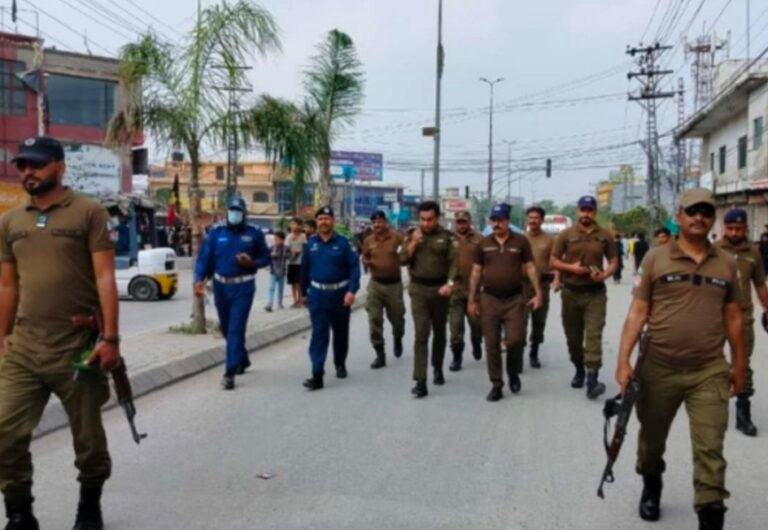
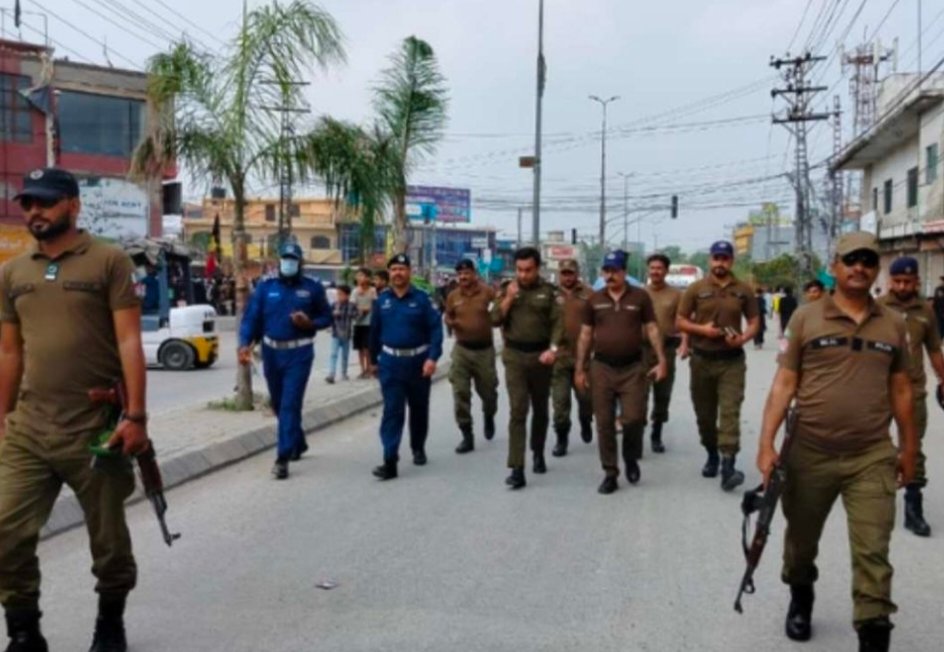
Furthermore, we must extend our full cooperation and support to the law enforcement agencies and authorities who work tirelessly to maintain peace and order across the country. Comprehensive preparations must be made to meet any unforeseen challenges, and just as we have done in previous years, we must stand united as one nation to defeat any threats of violence or extremism that seek to disrupt the sanctity of this holy month. By acting with pure intentions and striving to uphold these noble values, we place our trust in Allah Almighty, the Most Merciful and Gracious, who guides those who walk the path of truth.