
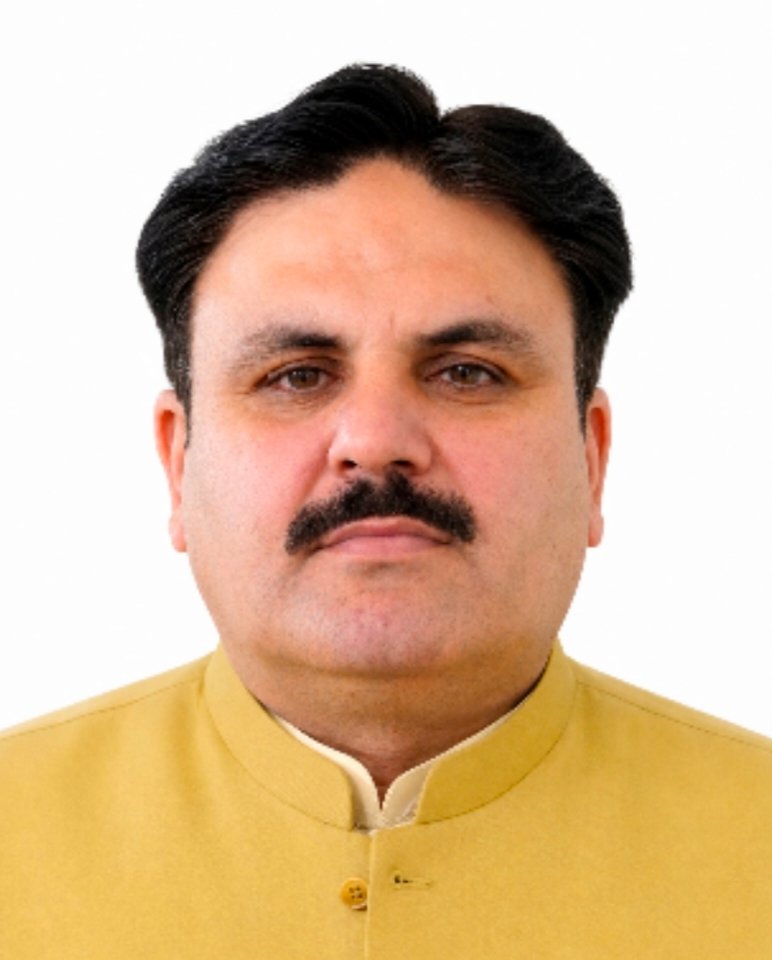
Dr. Bilal Karim
Director Publications Research and ReferenceDirector PRR, Pakistan National Council of the Arts, Islamabad
Projects are central to economic development and institutional progress. Governments use projects to construct infrastructure, improve public services, modernize administrative systems, and implement social and economic reforms. Similarly, private organizations rely on projects to introduce new technologies, expand operations, and respond to changing market needs. Yet many projects continue to experience delays, cost overruns, weak coordination, and results that fall short of expectations.These problems are often attributed to limited budgets, complex procedures, or inadequate technology. Although these factors matter, one of the most important causes of poor project performance is frequently overlooked: the shortage of appropriately skilled professionals. Effective project delivery depends not only on financial resources and digital tools but also on people who can plan, coordinate, monitor, and manage those resources responsibly.A skilled project workforce includes more than formally designated project managers. It also encompasses planners, engineers, contract specialists, financial officers, procurement professionals, monitoring experts, data analysts, technical employees, and institutional leaders. Each contributes to the success of a project. If even one critical function lacks the necessary capability, problems can spread across the entire delivery process.For example, weak planning may result in unrealistic schedules and budgets.
Poor contract-management skills can lead to disputes, delayed payments, and uncontrolled changes in project scope. Inadequate monitoring may prevent decision-makers from identifying emerging risks until corrective action becomes difficult and expensive. Similarly, weak communication and leadership can create confusion about responsibilities and reduce cooperation among departments, contractors, consultants, and other stakeholders.For this reason, workforce development should not be treated as a secondary administrative activity. It should be recognized as a central component of project governance. Institutions must identify the competencies required for different project roles, assess existing capacity, and develop targeted programmes to address identified gaps.Traditional training approaches are often too general or disconnected from employees’ actual responsibilities.
Staff may attend workshops and receive certificates without gaining the practical ability to solve problems in real project environments. Effective capacity development should therefore combine theoretical understanding with practical application. Case studies, simulations, mentoring, supervised assignments, and lessons drawn from completed projects can help employees translate knowledge into improved performance.Training must also extend beyond technical project-management tools. Professionals need analytical ability, communication skills, ethical judgment, leadership capacity, and an understanding of institutional procedures. They should be able to interpret performance information, communicate risks clearly, coordinate across organizational boundaries, and make decisions based on evidence.Digital transformation has made these competencies even more important. Modern project-management systems can integrate schedules, budgets, procurement records, contracts, risks, documents, and progress reports. Data dashboards can provide decision-makers with timely information, while artificial intelligence and analytical tools can assist with forecasting, scenario analysis, and the early identification of problems.However, technology cannot compensate for a lack of human capability. A sophisticated information system will produce little value if employees do not enter accurate data, understand the indicators, or act on the information generated. Digital tools may even create new problems when they are introduced without adequate training, clear accountability, or proper governance arrangements.Successful digital transformation must therefore be accompanied by workforce transformation. Employees should understand not only how to operate a system but also how it supports decision-making, transparency, coordination, and accountability. Managers must be able to interpret digital information and distinguish meaningful evidence from routine data. Organizations should also ensure that digital knowledge is shared across teams instead of remaining concentrated among a small number of technical specialists.Another important requirement is continuous learning. Project environments change rapidly because of new technologies, regulations, delivery methods, and stakeholder expectations. A one-time training programme cannot prepare professionals for every future challenge. Institutions need structured mechanisms for continuing professional development, periodic skills assessments, peer learning, and the systematic transfer of knowledge from one project to another.Knowledge management is particularly important in project-based organizations. When a project ends, its team may be transferred or dispersed, and valuable experience may be lost. Organizations should conduct completion reviews, document lessons, maintain accessible knowledge repositories, and incorporate relevant findings into future planning and training.
Learning from both success and failure can prevent organizations from repeatedly making the same mistakes.Senior leadership also has a decisive role. Employees cannot be expected to improve project performance if institutional systems discourage initiative, conceal problems, or reward compliance without considering results. Leaders must create an environment in which staff can report risks honestly, recommend corrective action, and take responsibility for agreed outcomes. Clear roles, transparent decision-making, and performance-based accountability allow professional skills to be used effectively.Educational institutions, professional associations, government bodies, and employers should collaborate in developing the project workforce. Universities can align curricula with contemporary delivery challenges. Professional organizations can establish competency standards and continuing-development opportunities. Employers can provide practical exposure, mentoring, and access to digital tools. Government institutions can incorporate workforce-capacity requirements into broader project-governance frameworks.
The success of this effort should be measured through improvements in project performance rather than merely by counting training sessions or certificates. Useful indicators may include stronger schedule and cost control, faster resolution of risks, improved contract administration, more accurate reporting, better stakeholder coordination, and increased achievement of intended project outcomes.Building a skilled workforce requires sustained investment, but the cost of neglecting it is considerably greater. Delayed projects, wasted resources, contractual disputes, and underperforming public services impose significant financial and social costs. By contrast, capable professionals can improve planning, identify risks early, strengthen accountability, and ensure that investments produce meaningful and lasting benefits.Effective project delivery ultimately depends on the interaction of three elements: sound governance, appropriate digital systems, and a capable workforce. Governance establishes responsibility, technology provides information and coordination, and skilled professionals convert plans and resources into results. Institutions that develop these elements together will be better equipped to deliver projects efficiently, transparently, and sustainably.