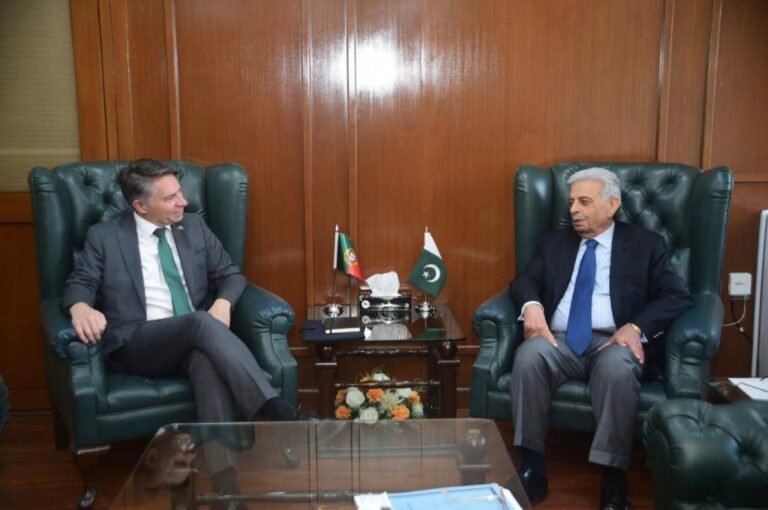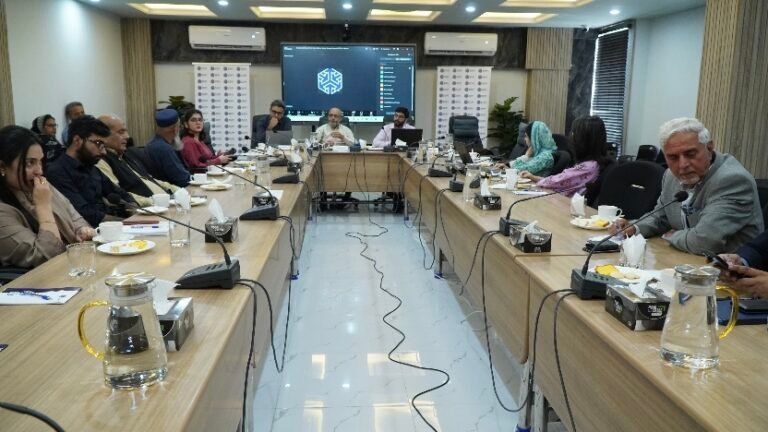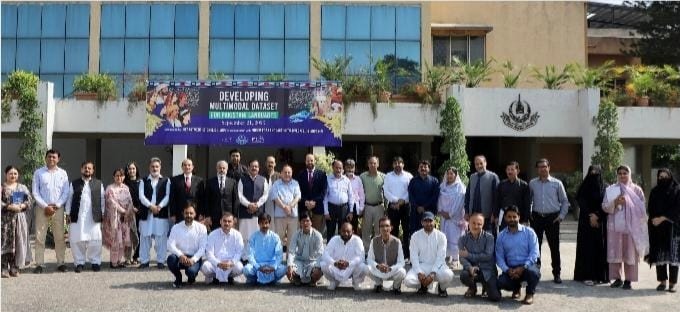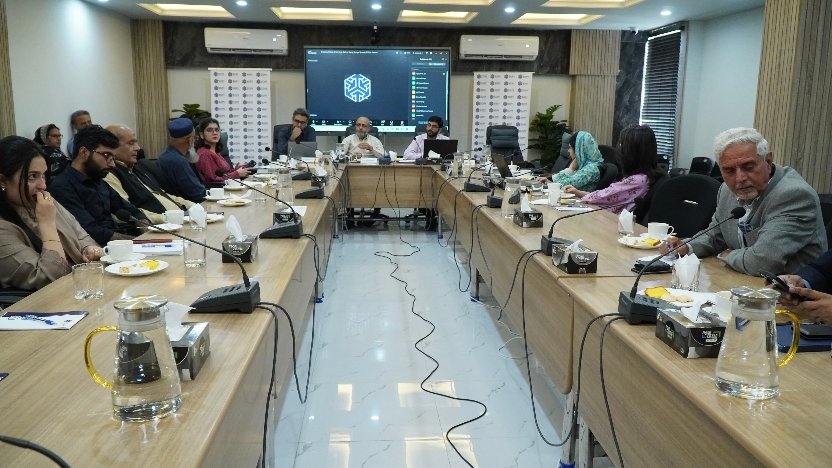

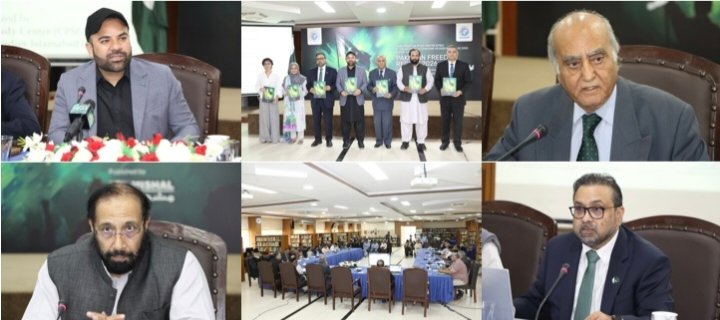
Islamabad: The Institute of Strategic Studies Islamabad (ISSI), in collaboration with Mishal Pakistan, hosted the launch of the State of Freedom Report – Pakistan 2026, marking the country’s first comprehensive national assessment of political, civil, economic, digital, legal, and social freedoms.Addressing the event as Chief Guest, Minister of State for Law and Justice, Barrister Aqeel Malik, welcomed the landmark publication and underscored the critical role of evidence-based policymaking, citizen engagement, constitutional governance, and institutional accountability.
He emphasized that informed public discourse and objective assessments are essential for strengthening democratic institutions and improving governance outcomes.“Freedom is strengthened when citizens feel heard, institutions remain accountable, and policymaking is informed by evidence. This report is an important contribution toward that national objective,” he stated. He further noted that Pakistan’s constitutional framework guarantees fundamental rights and highlighted ongoing reforms aimed at enhancing access to justice, transparency, and citizen participation.
In his welcome remarks, Ambassador Khalid Mahmood, Chairman Board of Governors, ISSI, commended Mishal Pakistan for undertaking a comprehensive and timely study. Referring to the report’s findings, he pointed to Pakistan’s growing digital transformation, expanding entrepreneurial landscape, and increasing contribution of the IT sector to the national economy. He noted that while the report reflects positive trends in economic participation, business facilitation, and women’s empowerment, it also identifies areas requiring continued policy focus, including governance performance and institutional responsiveness.
Presenting the report, Mr. Amir Jahangir, CEO of Mishal Pakistan and co-author of the study, described it as Pakistan’s first indigenous, evidence-based effort to evaluate freedom through the country’s own constitutional, institutional, and socio-economic context. The report assesses six key dimensions: Political Freedom, Civil Liberties, Rule of Law and Access to Justice, Economic Freedom, Digital Freedom and Access to Information, and Social Inclusion, Gender, and Public Trust.Based on legal analysis, institutional indicators, expert consultations, and a nationwide survey of approximately 2,000 respondents, the report establishes Pakistan’s first national benchmark on freedom and governance. Key findings reveal that 77% of respondents believe citizens are free to choose their profession, 75% perceive businesses as operating without undue government interference, and 75% express positive views on women’s empowerment and opportunities.
The report also highlights Pakistan’s rapid digital transformation and the growing role of digital platforms in civic engagement.Mr. Shafique Chaudhry, Executive Director of the Parliamentarians Commission for Human Rights (PCHR), stressed the importance of institutional fairness, protection of rights, and effective governance in building public trust. Meanwhile, Ms. Farzana Yaqoob, Eisenhower Fellow and former Minister for Women Development and Social Welfare, AJK, emphasized the need for greater inclusion of women and marginalized groups in economic, social, and political spheres.
Earlier, Dr. Talat Shabbir, Director of the China-Pakistan Study Centre (CPSC), praised the initiative, noting that freedom in the modern era extends beyond constitutional guarantees to include economic opportunity, digital access, social inclusion, institutional fairness, security, and public trust.The event brought together parliamentarians, diplomats, academics, media representatives, civil society members, researchers, and policy experts, fostering a comprehensive dialogue on the evolving dimensions of freedom, governance, and public trust in Pakistan.