
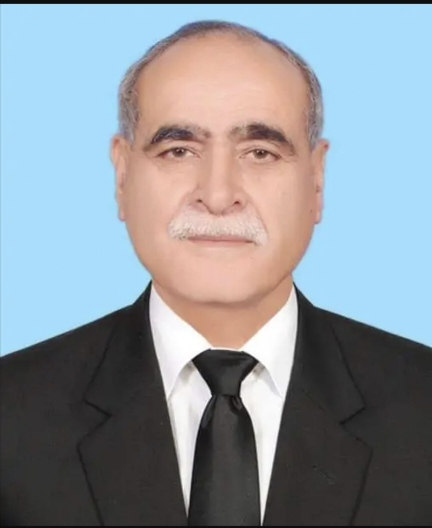
By Sardar Abdul Khaliq Wasi
The gathering of Pakistan’s national leadership in Azad Jammu and Kashmir was more than a political occasion; it was a reaffirmation of commitment, solidarity and a shared vision for the future of the region. In a territory that holds immense historical, ideological and strategic significance in the context of the Kashmir freedom movement, the presence of the country’s senior political leadership conveyed a message of renewed hope, development and national cohesion.Azad Jammu and Kashmir is not merely a geographical territory. It is a symbol of the Kashmir freedom movement, a reflection of its people’s enduring bond with Pakistan, and an important reference point in the struggle for the right to self-determination of the people of Indian-occupied Jammu and Kashmir. The visit, therefore, carried significance beyond political protocol, offering a renewed sense of confidence that the region’s development and welfare remain an important national responsibility.
Muzaffarabad was beautifully decorated to welcome the distinguished guests. The enthusiasm of the people, the festive atmosphere and the warmth of the reception reflected the affection and expectations with which the national leadership was received. Upon their arrival, President AJK Dr Muhammad Najeeb Naqi, Prime Minister Barrister Syed Iftikhar Ali Gilani, Speaker of the Legislative Assembly Chaudhry Tariq Farooq and senior officials welcomed the leadership. It was a moment that symbolised the close political, national and emotional ties between Pakistan and Azad Jammu and Kashmir.The presence of PML-N leader Muhammad Nawaz Sharif, Prime Minister Muhammad Shehbaz Sharif, Deputy Prime Minister and Foreign Minister Senator Muhammad Ishaq Dar, Punjab Chief Minister Maryam Nawaz Sharif, Federal Minister Ahsan Iqbal, Engineer Amir Muqam, Rana Sanaullah, Senator Pervaiz Rashid, Dr Tariq Fazal Chaudhry, Attaullah Tarar, Shaza Fatima Khawaja, Maryam Aurangzeb, Rashid Nasrullah special Assistan to CM Punjab and other senior leaders and officials underscored the importance attached to Azad Jammu and Kashmir and its future development.Meetings with the President and Prime Minister of AJK, consultations with the state cabinet and interactions with the regional leadership of PML-N provided an important opportunity for political coordination and exchange of views. The presence of PML-N AJK President Shah Ghulam Qadir, former Prime Minister Raja Farooq Haider, Senior Vice President Raja Mushtaq Minhas, Ch Tariq Farooq SG & Speaker AJK LA and other senior party figures reflected the importance of maintaining a constructive relationship between the federal and state leaderships.Among the most meaningful moments of the visit were the meetings with PML-N parliamentary colleagues, elected representatives and ticket holders. Muhammad Nawaz Sharif, Shehbaz Sharif, Ishaq Dar and Maryam Nawaz Sharif interacted with party representatives individually and collectively, providing an opportunity to discuss organisational matters, political priorities, public concerns and the future direction of the party in Azad Jammu and Kashmir.For many of us, however, these meetings carried a deeply personal dimension. Muhammad Nawaz Sharif has always been known among his longstanding colleagues for his warmth, affection, graciousness and personal regard. His manner of listening attentively, remembering political associates, encouraging them and extending affection goes beyond the formalities of political office. It reflects the human relationships of trust, loyalty, sincerity and mutual respect that sustain a political journey over the years. Such moments are deeply valued by those who have remained associated with him through different phases of political life.The special interaction with women parliamentarians, in the presence of Maryam Nawaz Sharif, was equally encouraging. It reflected an appreciation of women’s political participation, their capabilities and their contribution to public life.
Encouragement, respect and confidence in women representatives are essential elements of inclusive leadership and a progressive political culture.The distinguishing feature of this visit was that it took place after the elections and was not driven by electoral considerations. Its emphasis was on development and bringing Azad Jammu and Kashmir closer to the development standards of Pakistan’s other regions. This is an important distinction. The real measure of leadership lies not only in seeking public support during elections, but in honouring that trust through public service, economic opportunity and tangible improvements in people’s lives.The 100-day development plan of AJK Prime Minister Barrister Syed Iftikhar Ali Gilani offers an opportunity to translate this renewed commitment into practical results. With clear priorities, effective implementation, transparent oversight and sustained federal support, the programme can establish a meaningful foundation for progress. Better roads, healthcare, education, electricity, water supply, employment and public services remain among the pressing needs of the people. Ultimately, the success of any development plan must be judged by what changes in the lives of ordinary citizens—not by the number of announcements made.The digital inauguration of the Rathoa Haryam Bridge over Mangla Dam was another significant milestone. Built with substantial federal financial support, the bridge represents an important improvement in connectivity and infrastructure. Its completion is expected to facilitate movement, strengthen economic activity and improve public convenience. It also serves as a reminder of what federal-state cooperation can accomplish when resources, planning and political commitment converge towards a common purpose.The leadership also visited the family of former President AJK Raja Zulqarnain Khan to offer condolences and Fateha following his passing. This gesture reflected respect for personal relationships, traditions and the human values that remain important even amid demanding political engagements.The visit of Muhammad Nawaz Sharif and Maryam Nawaz Sharif to Neelum Valley, including Taobat, Dudhnial and other picturesque locations, was another memorable aspect of the journey. Accompanied by Prime Minister AJK Barrister Iftikhar Ali Gilani and Shah Ghulam Qadir, they were warmly welcomed by party workers and local people. The affection displayed reflected longstanding political association as well as public hopes for greater attention to this beautiful yet geographically challenging region.Neelum Valley possesses remarkable potential for tourism, local enterprise and economic growth. With improved road connectivity, responsible tourism, investment in essential services and environmentally sustainable planning, the valley can become an important contributor to the prosperity of Azad Jammu and Kashmir. Its natural beauty is an asset that must be protected while creating opportunities for its people.
Azad Jammu and Kashmir has enormous potential in tourism, agriculture, water resources, human talent and strategic geography. The challenge is to convert this potential into inclusive and sustainable development. Projects and resources must be distributed fairly, reflecting the needs of every district, tehsil and community, so that the benefits of progress are not confined to selected areas. A stable, prosperous and institutionally strong Azad Jammu and Kashmir is essential for its people and equally significant in strengthening Pakistan’s position on the Kashmir issue.The Muzaffarabad gathering conveyed a clear message that the development of Azad Jammu and Kashmir is a national responsibility, not a temporary political consideration. The 100-day development initiative, federal support for infrastructure and the engagement of national leadership provide an encouraging beginning. What matters now is continuity, effective governance, coordination and a sustained commitment to delivering results.A prosperous and dignified Azad Jammu and Kashmir will not only bring hope and better living standards to its people but will also stand as a powerful symbol of confidence and aspiration for the people of Indian-occupied Jammu and Kashmir.
The warm reception in Muzaffarabad, the affectionate interaction with political colleagues, the development initiatives, the completion of an important infrastructure project and the visit to the beautiful Neelum Valley were more than memorable moments. They represented a renewed commitment to the region—a commitment to turn hope into action and action into development.Azad Jammu and Kashmir stands at the threshold of renewed possibilities. With national commitment, sincere leadership, effective governance and a collective spirit of service, this renewed vision can open a new chapter of progress, prosperity, dignity and a brighter future for its people.This is the promise of renewed commitment—and the hope of a better tomorrow for Azad Jammu and Kashmir.