
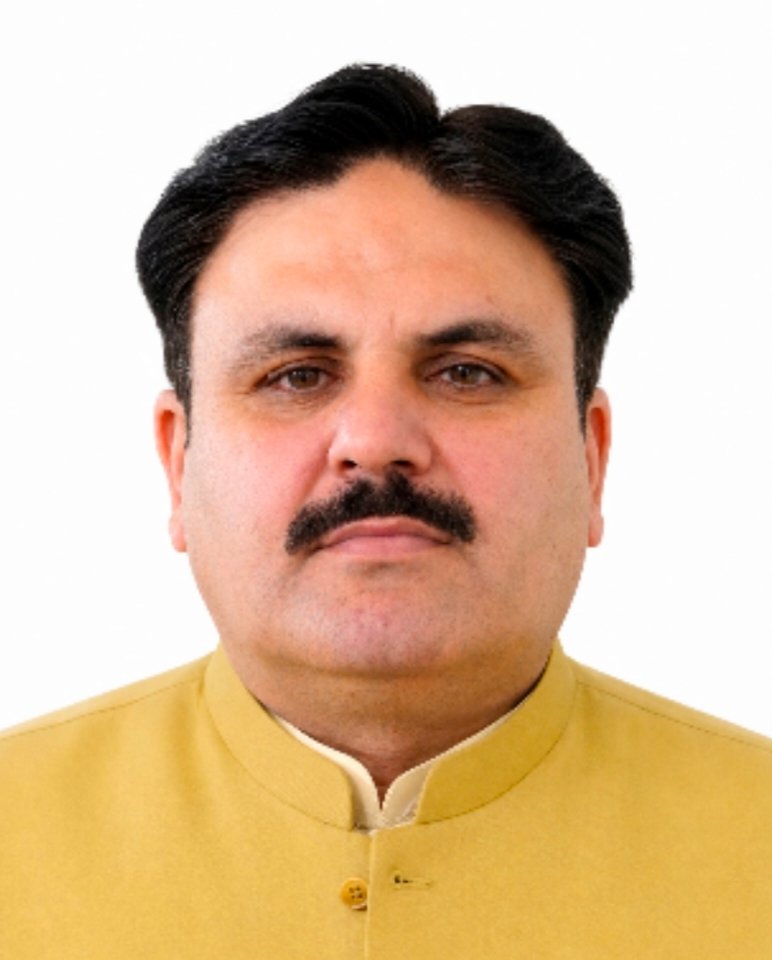
By Dr. Bilal Karim
Director Publications, Research and Reference Pakistan National Council of the Arts, Islamabad.
In an era defined by rapid technological advancement, the preservation and promotion of cultural heritage face both unprecedented challenges and opportunities. Historical sites, traditional art forms, and intangible heritage such as music, folklore, and rituals carry the collective memory of societies. Integrating modern technology into the management and dissemination of this heritage has emerged as a crucial strategy for safeguarding it for future generations.
Technological tools—ranging from digital archiving and 3D scanning to virtual reality (VR) and augmented reality (AR)—offer innovative ways to document and share cultural treasures. Digitally mapping heritage sites allows for precise preservation efforts and helps combat deterioration due to natural or human-induced factors. Similarly, VR and AR experiences enable global audiences to explore ancient monuments, museums, and traditional practices without physically visiting them, expanding cultural access and education.Moreover, technology enhances research and community engagement. Geographic Information Systems (GIS), artificial intelligence (AI), and big data analytics assist scholars in understanding historical patterns, migration, and cultural evolution.
Social media platforms and digital storytelling give artisans, performers, and local communities a direct voice, connecting their traditions to wider audiences while creating opportunities for economic empowerment.However, the integration of technology must be approached thoughtfully. Cultural heritage is deeply intertwined with identity, spirituality, and social values.
Therefore, technology should complement, not replace, traditional methods of preservation, ensuring authenticity and respect for local practices. Collaborative efforts between technologists, historians, artists, and policymakers are essential to strike a balance between innovation and cultural integrity.In conclusion, technology is no longer just a tool—it is a bridge linking the past with the present and future. By embracing digital solutions while respecting cultural nuances, societies can safeguard their heritage, educate generations, and celebrate the richness of human creativity on a global stage.