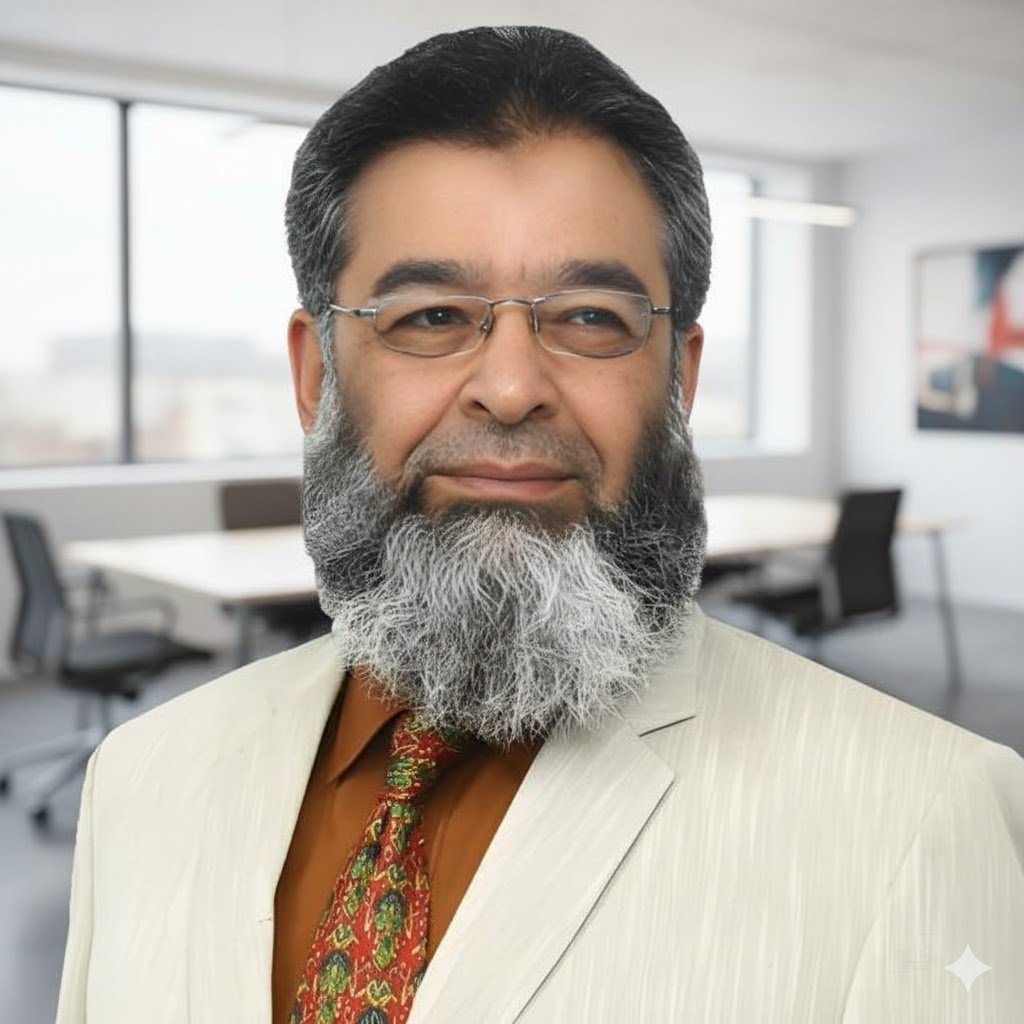

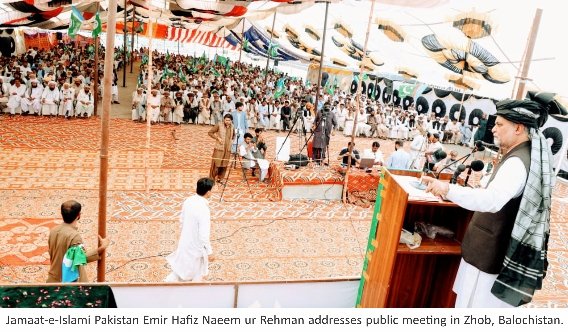
ZHOB, May 24: Jamaat-e-Islami Pakistan Emir Hafiz Naeem Ur Rehman has urged the government to reopen border crossings with Afghanistan in consultation with tribal elders and traders, legalize trade with Iran, and complete the long-delayed Pakistan-Iran gas pipeline project to restore economic opportunities for people in Balochistan and Khyber Pakhtunkhwa.
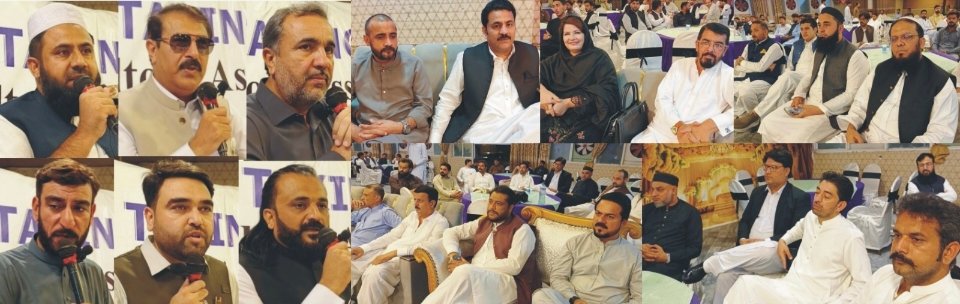
Addressing a public gathering in Zhob under the “Badal Do Nizam” (Change the System) campaign, Hafiz Naeem announced a nationwide strike after Eid against increases in petroleum and electricity prices. He called on the people and business community of Balochistan to support the protest movement.He proposed the formation of joint committees comprising tribal representatives and traders at Chaman and other border crossings to develop a practical mechanism for reopening trade routes. He also advocated the establishment of special border trade zones and suggested that local tribes be entrusted with maintaining peace and securing trade corridors.
Criticizing current border policies, Hafiz Naeem said that border crossings were often opened selectively for the benefit of a few influential groups while ordinary citizens continued to suffer economic hardship. He stressed that trade with Iran, including petroleum imports, should be formally regulated instead of being pushed into smuggling networks.Expressing concern over recent incidents in Harnai and Loralai, where coal-laden trucks were reportedly set on fire, he demanded compensation for affected traders and stronger security measures to protect commercial activities in the province.
The Jamaat-e-Islami chief also highlighted the party’s educational initiatives, stating that its free “Bano Qabil” program had already been launched in Loralai and would soon be expanded to Zhob. He said the initiative aims to empower Balochistan’s youth through education and democratic struggle.Hafiz Naeem criticized the traditional political elite, accusing tribal chiefs and dynastic politicians of perpetuating corruption, underdevelopment, and inequality. He further alleged that development funds allocated for Balochistan had been misused while basic infrastructure, education, healthcare, and law enforcement systems remained neglected. He vowed that Jamaat-e-Islami would continue its political struggle for meaningful systemic change.