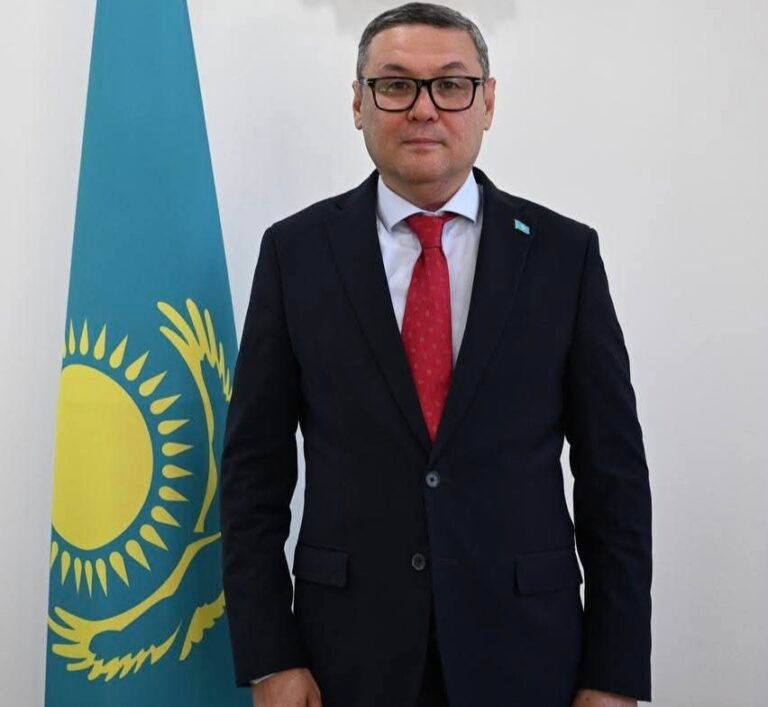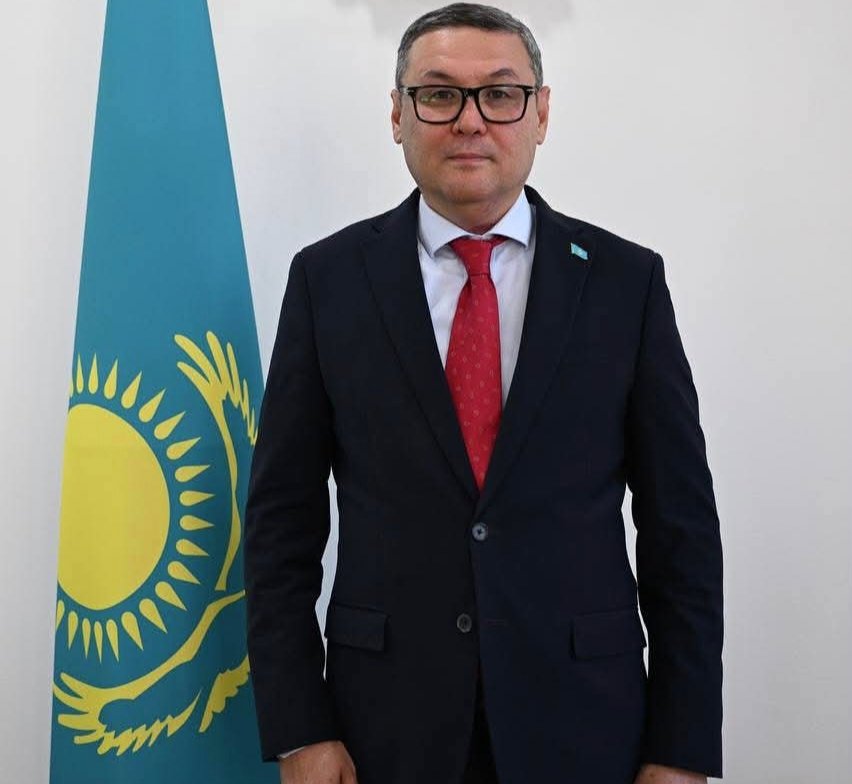

ASTANA: Kazakhstan is stepping up efforts to transform its water management system by expanding digital monitoring, improving flood forecasting, and strengthening groundwater research to better address the country’s growing water security challenges.The progress of these reforms was reviewed during a meeting on August 4 between Kazakhstan’s Minister of Water Resources and Irrigation, Nurzhan Nurzhigitov, and Katarzyna Wawiernia. The discussions focused on ongoing projects aimed at making Kazakhstan’s water sector more efficient, resilient, and climate-ready.
A Japan-funded initiative is helping Kazakhstan strengthen flood protection through improved dam management. The project includes the development of an early-warning system for dams, a digital database of hydraulic structures, and the integration of monitoring data into the National Water Resources Information System. Hydrodynamic models have already been prepared for pilot reservoirs, while flood-risk scenarios have been tested to identify vulnerable areas.
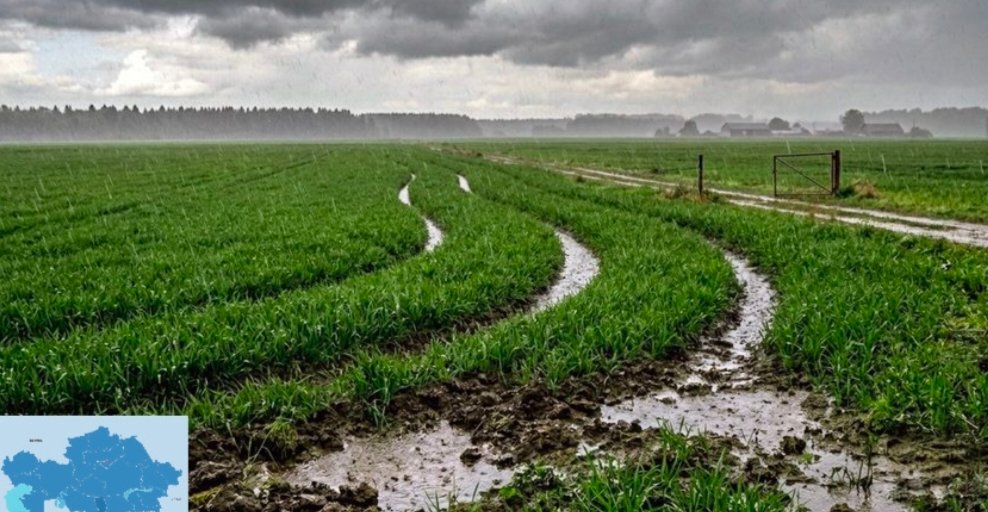
Kazakhstan is also rapidly digitizing irrigated farmland and canal networks across the Almaty, Zhambyl, Kyzylorda, Turkistan, and Zhetisu regions. So far, all agricultural fields and nearly half of the irrigation canals in these regions have been digitally mapped, alongside the creation of soil-moisture maps to improve irrigation planning and water efficiency.To support farmers, the government has introduced a digital water-demand forecasting system that enables online applications for irrigation water, electronic contract signing, and better allocation of water resources.Groundwater research is also receiving a major boost under a climate-resilient water resources project. Regional branches of the national hydrogeological service will receive advanced equipment, including groundwater detectors, mobile laboratories, and drilling rigs, while the Kazakh Research Institute of Water Management in Taraz will be equipped with modern research machinery.Meanwhile, Kazakhstan, UNDP, and the Eurasian Development Bank are establishing a regional training center in the Turkistan Region to promote water-saving irrigation technologies and provide practical training for farmers.
In another key initiative, UNDP is preparing a feasibility study for a new reservoir on the Kenderlik River in East Kazakhstan to support sustainable irrigation and regional economic development.The country is also launching a Global Environment Facility-backed program to improve ecosystem management in the Kazakh section of the Caspian Sea. The initiative will focus on biodiversity conservation, ecosystem mapping, land restoration, and tackling marine pollution through improved waste management.Despite these achievements, Kazakhstan continues to face increasing pressure on its freshwater resources. According to UNDP data, water stress has risen from 29 percent in 2000 to 35 percent in 2022, underscoring the need for stronger water governance and more efficient resource management.
To address these challenges, Kazakhstan has introduced a new Water Code, adopted a long-term Water Resource Management Concept through 2030, and launched a Comprehensive Water Sector Development Plan through 2028. The country has also established a Coordination Council for Water Sector Development, which has already mobilized more than $20 million in support of water-sector reforms, while consultations are underway to establish an International Water Organization under the auspices of the United Nations—an initiative proposed by Kazakhstan.