

the turbulent theatre of modern diplomacy, nations are often compelled to choose between expediency and principle. Some surrender their convictions upon the altar of temporary political advantage, while others, though tested by storms and isolation, remain steadfast to the moral compass that defines their national soul.
Pakistan belongs to the latter category. Despite persistent speculation and recurring whispers in diplomatic corridors, Pakistan is neither likely nor morally prepared to become part of the Abraham Accords.The reasons are neither emotional nor reactionary. They are rooted in history, faith, international law, and the collective conscience of the Pakistani people. Pakistan came into existence not merely as a geographical entity but as an ideological state founded upon the aspiration of justice, dignity, and solidarity with the oppressed. The question of Palestine is therefore not a passing diplomatic issue for Pakistan; it is a matter deeply interwoven with the nation’s moral identity.The Abraham Accords, signed initially between Israel and certain Arab states under the patronage of the United States, were presented as a pathway to peace in the Middle East. Yet peace without justice resembles a magnificent palace built upon sand.
The accords bypassed the central question that has haunted the region for more than seven decades: the legitimate rights of the Palestinian people to an independent homeland. By normalising relations with Israel before a just settlement of the Palestinian issue, the accords effectively reduced the suffering of Palestine to a secondary matter.The spirit of the Holy Quran and the teachings of the Hadith stand firmly against oppression and dispossession. Islam does not merely encourage ritual devotion; it demands moral courage in the face of injustice.
The Quran repeatedly commands believers to stand for justice even when it is inconvenient or politically costly. The Palestinian tragedy, marked by occupation, displacement, bombardment, and the denial of fundamental human dignity, cannot be separated from this moral framework. No Muslim nation guided by the ethical spirit of Islam can remain indifferent to the cries rising from the ruins of Gaza.The sayings of the Holy Prophet Muhammad (Peace Be Upon Him) further reinforce this obligation. The Prophet (Peace Be Upon Him) taught the believers to act as one body: when one part suffers, the entire body feels the pain. This principle transcends ethnicity, nationality, and political calculation. To ignore the anguish of Palestinians while pursuing strategic convenience would not merely be a diplomatic adjustment; it would amount to a betrayal of the spiritual and ethical foundations that sustain Muslim unity.Beyond the religious dimension lies the equally important realm of international law.
The United Nations Charter is founded upon the principles of self-determination, sovereign equality, and the protection of human rights. Numerous United Nations resolutions have affirmed the right of the Palestinian people to an independent state and condemned the expansion of settlements in occupied territories. The unresolved status of Jerusalem, the continued occupation of Palestinian lands, and the recurring humanitarian catastrophes in Gaza remain in direct conflict with these resolutions.In this context, the Abraham Accords appear less as an instrument of comprehensive peace and more as a diplomatic rearrangement that seeks to normalise an unresolved occupation. By rewarding Israel with recognition absent a final settlement, the accords risk undermining the very framework established by international law and the United Nations.
A durable peace cannot emerge by bypassing justice; rather, such arrangements deepen resentment and perpetuate instability.The recent Gaza peace initiatives and negotiations in which Pakistan participated further illuminate this contradiction. Pakistan has consistently advocated an immediate ceasefire, humanitarian relief for civilians, and the establishment of an independent Palestinian state based on pre-1967 borders with Al Quds as its capital. These positions are not ceremonial statements; they represent Pakistan’s declared diplomatic doctrine. To subsequently join a framework that effectively sidelines these demands would create a glaring contradiction in Pakistan’s foreign policy and erode its credibility before the Muslim world and the international community alike.It is therefore reasonable to ask whether attempts to insert the Abraham Accords into a broader Gulf settlement are part of a deliberate strategic design. Great powers have long understood that fragmented societies are easier to influence than united ones. By embedding normalisation within regional economic and security arrangements, there appears an effort to transform Palestine from a central moral cause into a negotiable political detail.
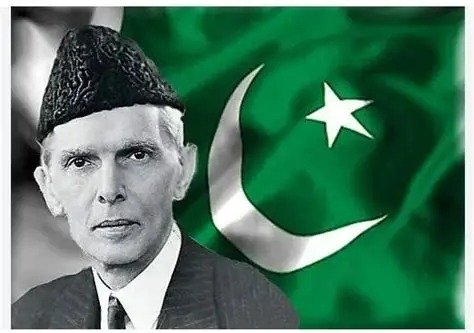
Such a shift would gradually dull the collective conscience of the Muslim world and redefine resistance to occupation as diplomatic inconvenience.Pakistan, however, has historically resisted such pressures. From the days of Quaid-e-Azam Muhammad Ali Jinnah, who unequivocally supported the Palestinian cause, to the present era, Pakistan’s position has remained remarkably consistent.
The nation recognises that true peace in the Middle East cannot be achieved through selective diplomacy or transactional alliances. Peace will only endure when justice is restored, occupation ends, and the Palestinian people are granted the rights promised to them under international law.The winds of geopolitics may shift, alliances may emerge and dissolve, and economic temptations may intensify, yet nations ultimately survive through fidelity to their principles. Pakistan understands that some causes are too sacred to be traded for transient advantage. Palestine is one such cause. Until justice speaks louder than power, Pakistan is unlikely to walk the path of the Abraham Accords.