
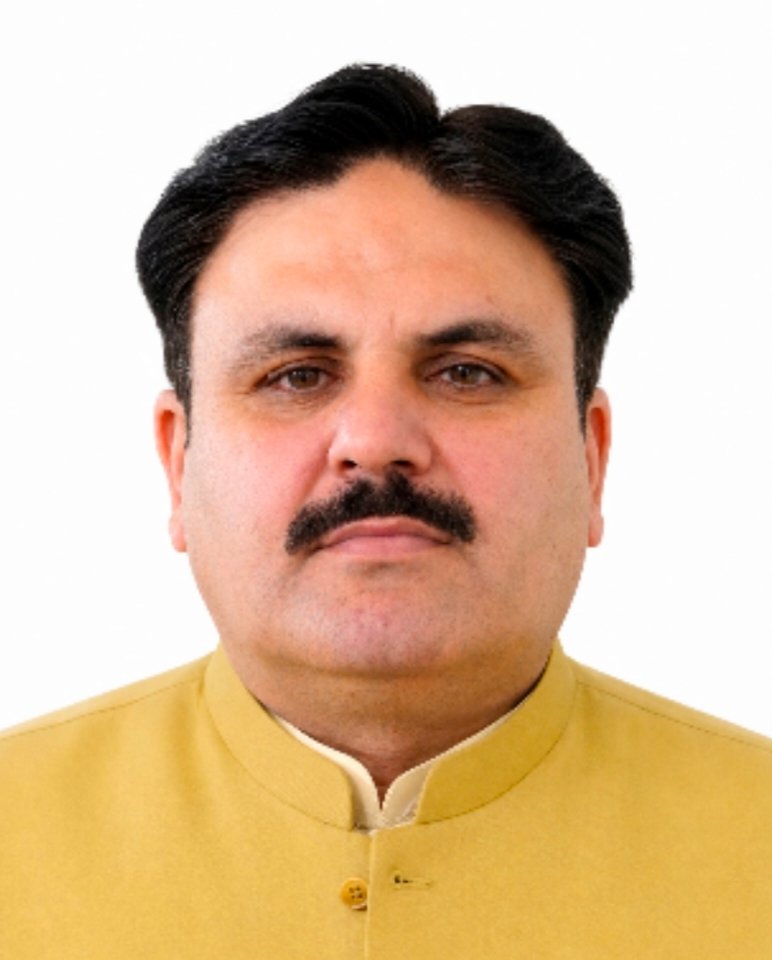
By Dr. Bilal Karim
Director Publications, Research and Reference Pakistan National Council of the Arts, Islamabad.
In today’s increasingly interconnected world, successful projects require much more than good ideas. Whether a project involves tourism, cultural development, education, infrastructure, community development, or international collaboration, the difference between an ambitious vision and a measurable result often comes down to one essential discipline: effective project management.
Project management is sometimes viewed primarily as a technical business function involving schedules, budgets, meetings, and deadlines. In reality, its significance extends much further. A skilled project manager brings together people, resources, institutions, timelines, risks, and objectives and transforms them into coordinated action.This becomes particularly important when projects involve multiple stakeholders or cross institutional collaboration.A cultural heritage initiative, for example, may involve government institutions, tourism organizations, educational institutions, researchers, local communities, private organizations, and international partners. Each stakeholder may have different priorities and expectations. Without effective coordination, even a project with considerable cultural or economic potential can struggle to achieve its intended results.
My professional experience in project management has reinforced my belief that successful project delivery is fundamentally about connecting people and resources around a clearly defined objective.The role of a project manager is, therefore, not limited to monitoring whether a project is completed on time. It involves understanding the larger purpose of the project, identifying stakeholders, anticipating risks, allocating resources efficiently, establishing measurable objectives, and creating systems through which different participants can work toward a common outcome.Countries and communities possess enormous cultural resources, but cultural assets do not automatically generate educational, tourism, or economic benefits.
Those benefits require planning, investment, coordination, responsible promotion, and effective implementation.A heritage site, for instance, may have significant historical value, but realizing its wider potential may require coordinated work involving preservation, visitor management, educational programming, digital documentation, marketing, transportation, community participation, and tourism development.Project management provides a framework for bringing these different elements together.The same principle applies to international cultural programs.
A successful international cultural initiative may require coordination between institutions in different countries, management of multiple timelines, communication among diverse stakeholders, financial planning, risk management, and evaluation of outcomes.In such circumstances, project management becomes more than an administrative function. It becomes an instrument for converting cultural and educational objectives into sustainable projects with measurable outcomes.This perspective also has relevance in the United States, where universities, museums, tourism organizations, nonprofit institutions, government agencies, and private organizations regularly undertake complex projects involving multiple communities and stakeholders.
There is significant opportunity to strengthen these initiatives through professional project-management approaches that combine strategic planning with cultural understanding and stakeholder engagement.Technology is also changing the way such projects can be designed and delivered. Digital platforms can facilitate collaboration across geographic boundaries. Data can assist organizations in evaluating visitor patterns, educational outcomes, resource allocation, and project performance. Digital storytelling and online cultural resources can expand the reach of projects beyond their physical locations.However, technology alone does not guarantee successful implementation.
The human element remains central.
obstacles, and maintain a clear connection between the project’s objectives and its intended beneficiaries.For this reason, I believe that the future of project management should increasingly involve cross- disciplinary expertise.Project managers should not only understand budgets, schedules, and risk registers. They should also understand the environment in which their projects operate. In cultural and tourism projects, that means understanding heritage and community perspectives. In educational projects, it means understanding learning objectives and institutional needs. In international initiatives, it means appreciating cultural differences and developing effective mechanisms for collaboration.The ultimate measure of project management should therefore not simply be whether a project was completed.The more important question is: What lasting value did the project create?
A well-managed project can create opportunities for education, strengthen tourism, support local communities, improve institutional collaboration, preserve knowledge, and connect people across cultural and geographic boundaries.This is why project management deserves to be viewed not merely as a profession concerned with execution, but as a discipline capable of turning ideas into sustainable outcomes.
As organizations increasingly undertake complex projects with social, cultural, educational, and economic dimensions, professionals who can bridge strategic vision and practical implementation will become increasingly valuable.The challenge for the next generation of project managers is therefore clear: to manage projects not only for completion, but for meaningful and measurable impact.