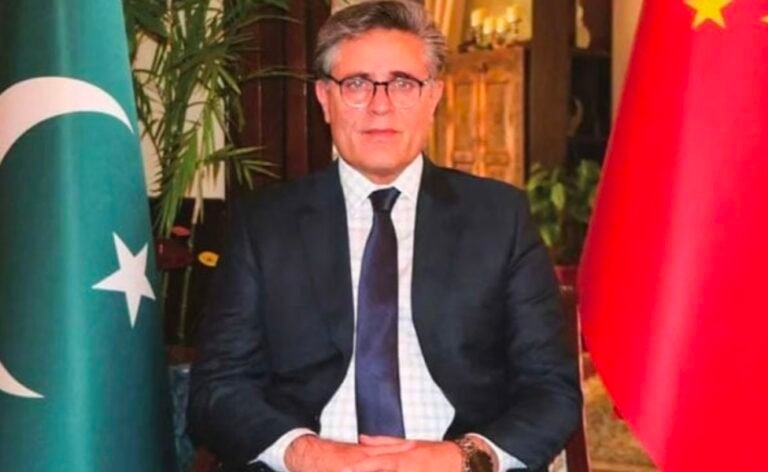

RAWALPINDI: Minister of State for Finance and Revenue Bilal Azhar Kayani on Thursday assured the business community that the upcoming federal budget would focus on reducing the burden on taxpayers and the salaried class, while maintaining economic stability under IMF commitments.
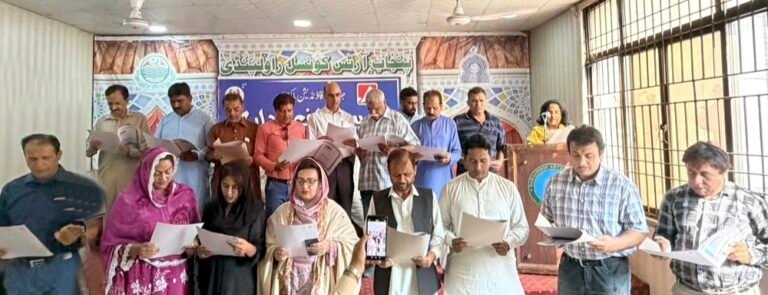
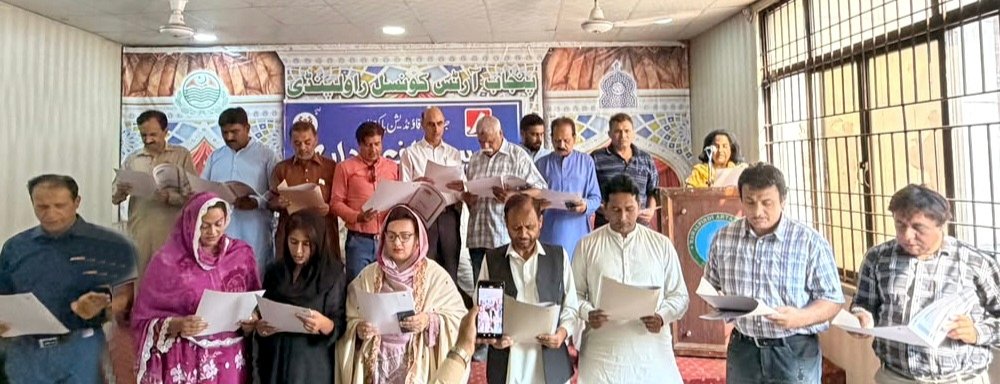
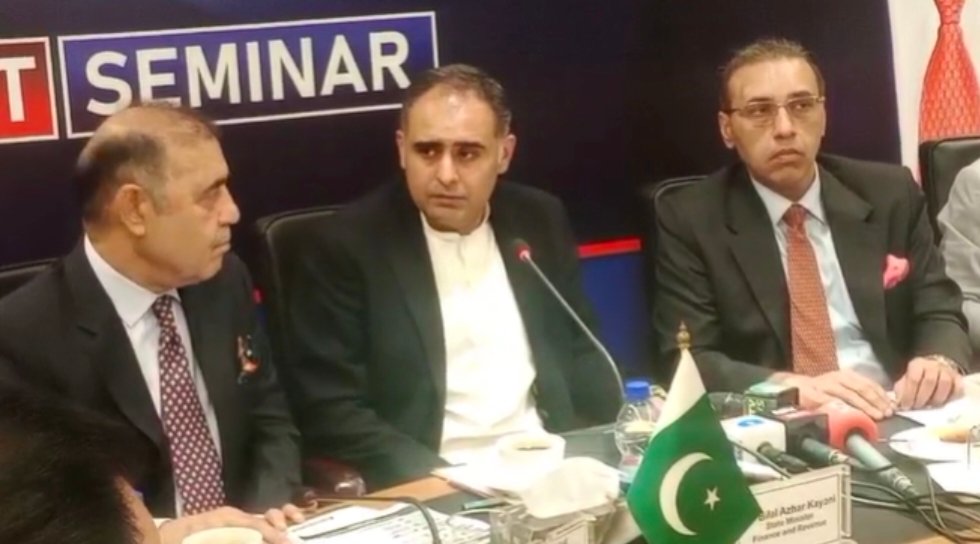
Addressing a pre-budget seminar at Rawalpindi Chamber of Commerce and Industry, the minister said the government has limited fiscal space due to the IMF program but remains committed to providing maximum possible relief and business facilitation in the new budget expected in the first week of June.Kayani said Pakistan achieved economic stability over the past two years through fiscal discipline, leading to stronger foreign exchange reserves and renewed confidence from international financial institutions.
He noted that despite regional tensions, the Pakistani rupee remained stable and the country avoided fuel shortages faced by several regional states.He emphasized that boosting exports and strengthening the economy are top government priorities to reduce reliance on IMF programs. The minister also announced special facilitation measures for Small and Medium Enterprises (SMEs), including extending the utilization period for imported goods by small exporters to 18 months.Highlighting ongoing reforms, Kayani said the privatization process is moving swiftly, adding that the privatization of Pakistan International Airlines has been completed while work on privatizing three power distribution companies is underway. He termed privatization a sustainable solution for improving efficiency in public sector institutions.
The minister further revealed that Prime Minister Shehbaz Sharif has approved a housing finance scheme aimed at boosting the construction sector and stimulating economic activity.During the seminar, RCCI President Usman Shaukat demanded the abolition of super tax, reduction in corporate and sales taxes, and an increase in the minimum taxable income threshold for salaried individuals. Business leaders also called for lower business costs, long-term industrial policies, and an end to harassment by government departments.