
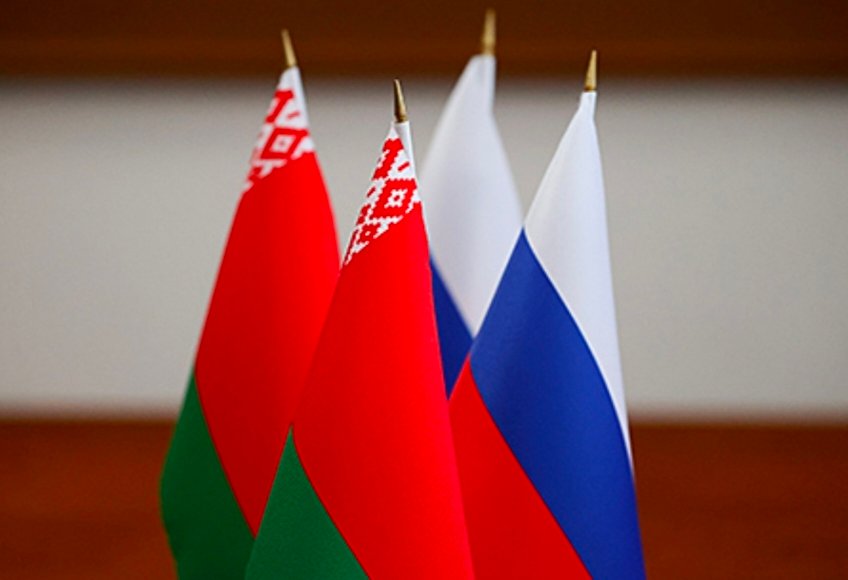
Moscow: Russia and Belarus have jointly presented their third report on the human rights situation in selected countries, urging the international community to uphold the universal nature of human rights without political bias or double standards.In a joint address to readers, Russia’s Deputy Foreign Minister Dmitry Lyubinsky and Belarus’ Deputy Foreign Minister Igor Sekreta stated that every individual—regardless of nationality, race, gender, age, health, beliefs, or personal characteristics—deserves the right to live with dignity. They emphasized that human rights must be respected equally in every country and should not be used as a political tool.
The report criticizes what it describes as the use of “double standards” by the collective West, accusing some countries of selectively assessing human rights issues while interfering in the internal affairs of sovereign states under the banner of a “rules-based order.” According to the authors, such practices contradict internationally recognized principles of international law.The document highlights what Russia and Belarus describe as growing challenges to human rights, including the reduction of social protections, increasing militarization of economies, and political pressure on sovereign nations. It also claims that these trends are evident in several European countries, including the Baltic states, Poland, Ukraine, Moldova, Germany, France, and the United Kingdom.The report further raises concerns about what it calls a resurgence of racism and racial discrimination.
It alleges that racist ideologies and the glorification of extremist nationalist groups are becoming more visible in some countries, warning that such developments threaten the principles of equality, human dignity, and international cooperation.Concluding the report, the two deputy foreign ministers call for greater international cooperation to address emerging human rights challenges and reaffirm the importance of protecting human rights on the basis of equality, fairness, and universally recognized international norms.