
This year, the Shanghai Cooperation Organization (SCO) is celebrating its 25th anniversary. Over the course of a quarter of a century, the SCO has transformed from a mechanism of border trust, known as the “Shanghai Five,” into one of the leading platforms for multilateral cooperation in the Eurasian region.Since its founding in 2001, when six founding countries (China, Russia, Kazakhstan, Kyrgyzstan, Tajikistan, and Uzbekistan) established the organization, the number of participants has significantly increased. Currently, the SCO unites 10 member states, 15 dialogue partners, and 2 observer countries. According to the SCO Secretary-General, Nurlan Ermekbaev, about 20 countries are interested in joining the organization in various capacities.Uzbekistan, which is one of the founders of the SCO, actively contributes to its activities.To date, Uzbekistan is involved in shaping the key areas of the SCO’s work, focusing on security issues, trade and economic cooperation, industrial cooperation, cultural ties, and regional integration.
Economic Cooperation and Transport Links
Trade between Uzbekistan and the SCO states has reached significant volumes. By 2025, it is projected that the country’s external trade turnover will amount to $81.2 billion, increasing by 20.7 percent compared to the previous year. The main trading partners remain China, Russia, and Kazakhstan, which account for about 43 percent of the total external trade volume.However, the economic potential of the SCO is hindered by differences in customs procedures and technical standards. Uzbekistan raises the issue of the urgent need to sign an agreement on trade facilitation, harmonization of norms, and the establishment of “green corridors,” as well as the development of cross-border e-commerce and settlements in national currencies.Uzbekistan’s strategic goal is to transition from simple goods exports to deep industrial cooperation and the production of high-quality products. Cooperation in areas such as energy and digitalization opens new horizons for joint projects.Uzbekistan’s initiatives presented at the SCO summit in Tianjin include the establishment of a Regional Center for Critical Materials and an Energy Consortium, as well as the development of venture support for innovative projects.Deepening economic cooperation is linked to the development of transport infrastructure, especially given that Uzbekistan is landlocked. The implementation of the “China-Kyrgyzstan-Uzbekistan” railway is crucial for the sustainable economic growth of the country.In the future, this railway may connect with the Trans-Afghan corridor, creating new transport routes linking China with Central and South Asia. Tashkent also supports the concept of forming a “Unified Transport Space of the SCO,” which will facilitate the development of multimodal networks and seamless transportation.
Security and New Challenges
The SCO has developed an effective system for combating terrorism, extremism, and organized crime. However, new challenges such as cyber threats and environmental risks require a comprehensive approach to security. Uzbekistan supports the modernization of the SCO mechanisms to create a Universal Center for Countering Security Threats.Important aspects of the work remain the strengthening of trust between countries and the development of joint initiatives in the field of cybersecurity. Uzbekistan proposes to enhance cooperation in this area, including the establishment of an Expert Forum on Information Security and the adoption of an Agreement on Combating IT Crimes.
Climate Resilience and Humanitarian Cooperation
In the context of climate change, the importance of food security issues is increasing. Uzbekistan proposes to develop sustainable agri-food systems and implement modern technologies in agriculture. It is suggested to create a platform for monitoring agricultural potential and supply resilience.Tourism is also seen as a tool for humanitarian rapprochement. In this area, Uzbekistan proposes to launch the “Tourist and Cultural Capital of the SCO” program and other initiatives to improve mutual understanding and cooperation between countries.Uzbekistan adheres to a course of openness and cooperation, allowing it to continue playing an important role in shaping a stable and secure Eurasian space.
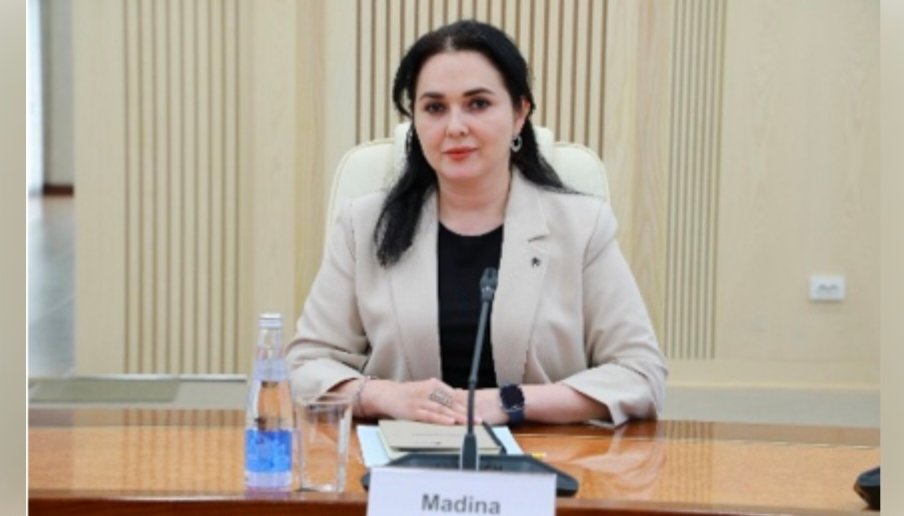
Madina Aripova, Senior Researcher at the Institute for Strategic and Interregional Studies under the President of the Republic of Uzbekistan