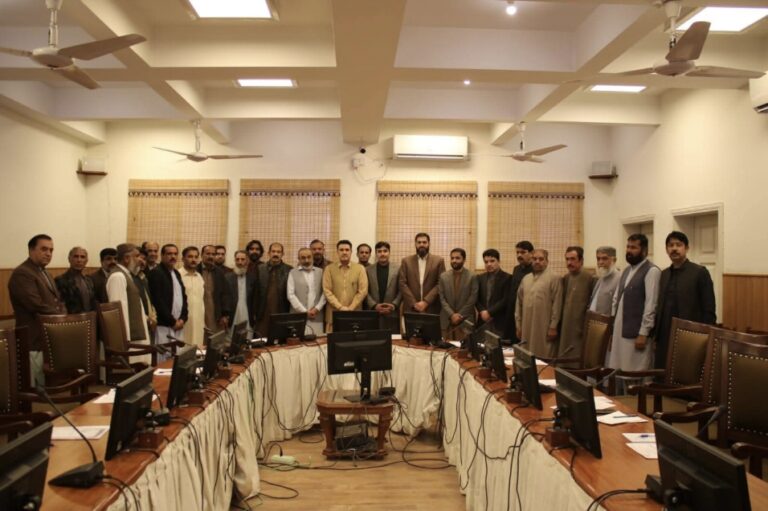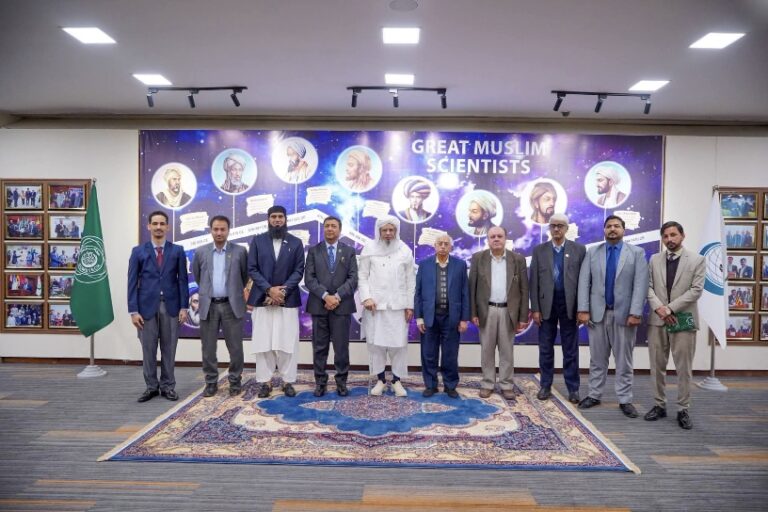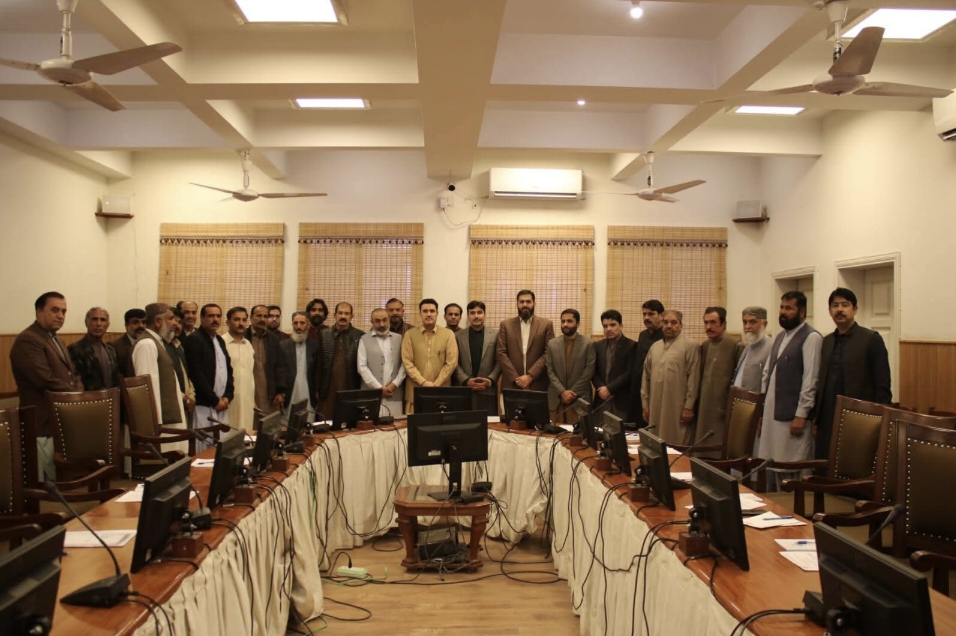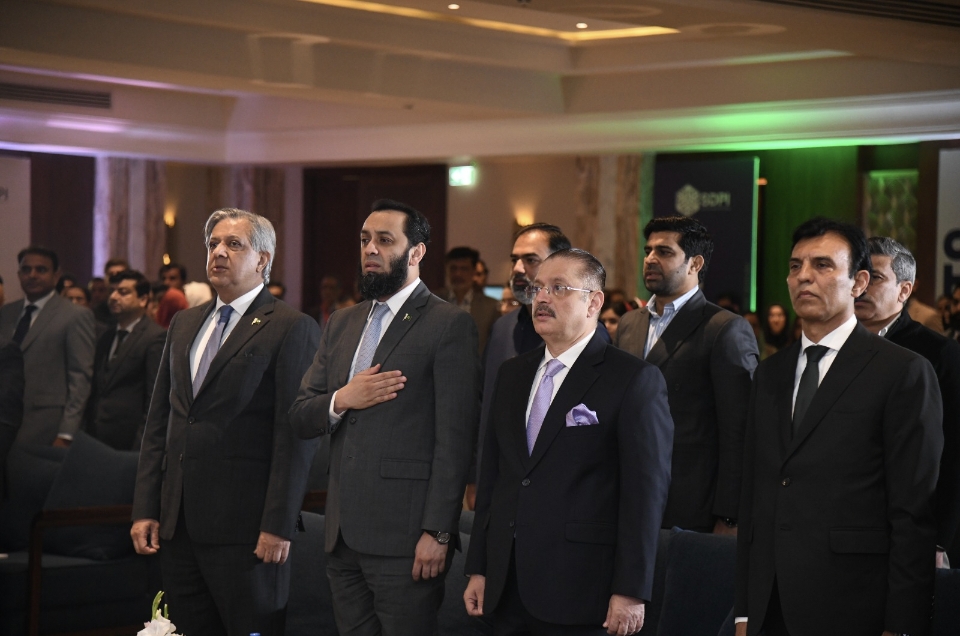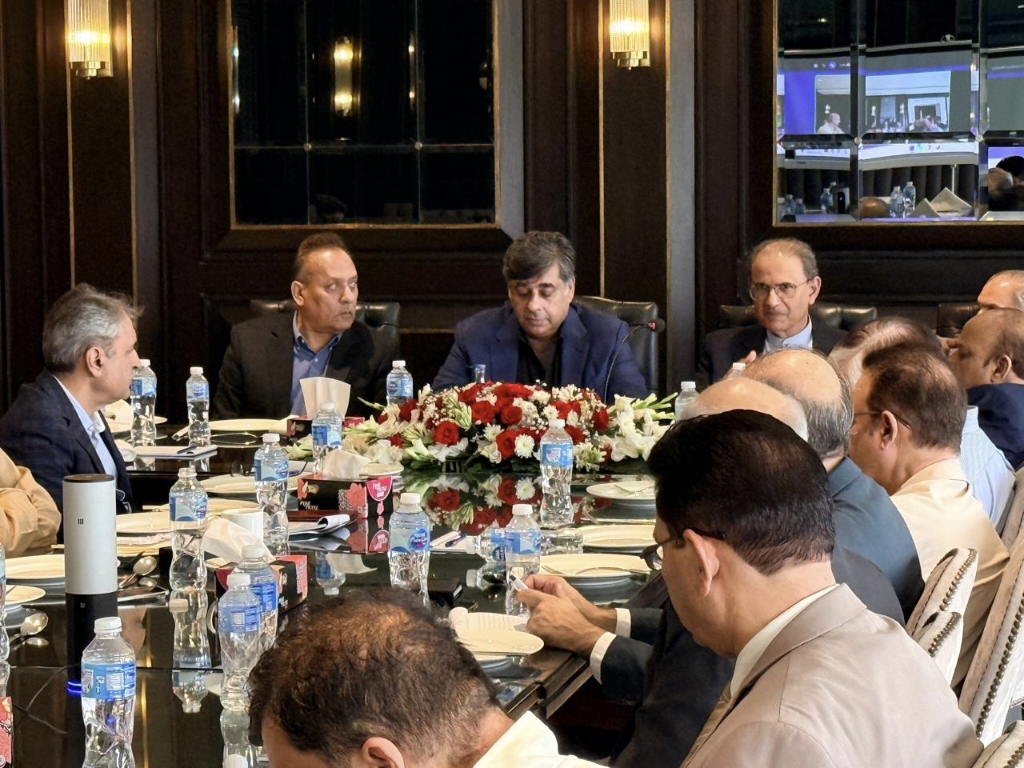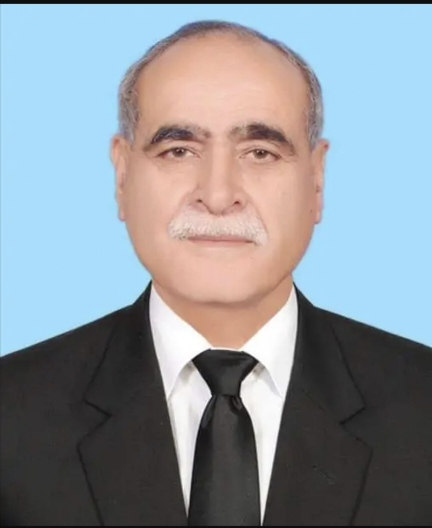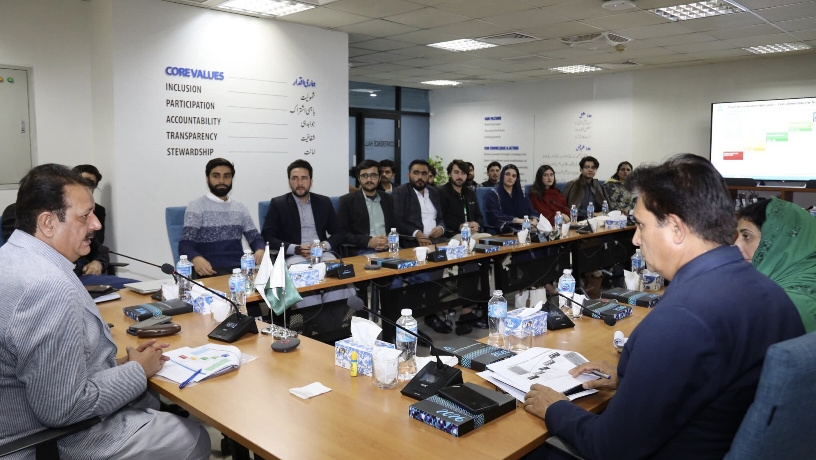

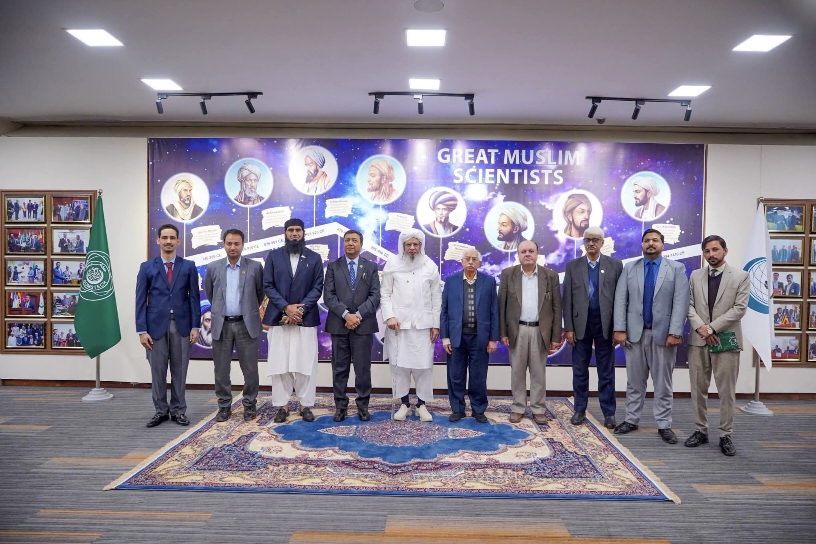
ISLAMABAD, November 24, 2026: OIC-COMSTECH and Al-Ghazali University, Karachi, have explored avenues for strengthening cooperation in scientific research, artificial intelligence (AI), halal science, emerging technologies and academic exchanges.The proposals were discussed during a visit by Al-Ghazali University Chancellor and prominent religious scholar Mufti Abdul Raheem to the OIC-COMSTECH Secretariat, where he met Coordinator General Prof. Dr. M. Iqbal Choudhary and senior officials.
During the meeting, Mufti Abdul Raheem was briefed on COMSTECH’s fellowships and scholarships, support programmes for Palestinian students and researchers, initiatives for young women scientists across OIC member states, artificial intelligence and emerging technologies, as well as halal products and certification.Prof. Dr. M. Iqbal Choudhary proposed that Al-Ghazali University join the COMSTECH Consortium of Excellence (CCoE) as an associate member to promote joint research, faculty development, researcher training and academic exchanges through COMSTECH’s international network.He also proposed organizing a joint conference bringing together scientists, vaccine experts and religious scholars to discuss the scientific and societal dimensions of vaccination, including polio. Another key proposal was to hold a summit on halal products and certification, bringing together scientists, regulators, industry representatives and religious scholars.
Appreciating COMSTECH’s contributions across the Muslim world, Mufti Abdul Raheem said significant scientific and capacity-building initiatives were being undertaken under the leadership of Prof. Choudhary. He expressed Al-Ghazali University’s commitment to working closely with COMSTECH and supporting its initiatives through joint research, training and academic activities.He further described Pakistan’s hosting of COMSTECH as an honour, providing the country with an important platform to promote scientific and educational cooperation among Muslim nations. He also proposed collaborative initiatives focusing on religion, environmental responsibility and climate change.Both sides agreed to pursue practical cooperation in research, training, halal science, emerging technologies and initiatives aimed at bringing scientific expertise and religious scholarship together.