
Amna Abbasi
amnawasimabbasi@gmail.com
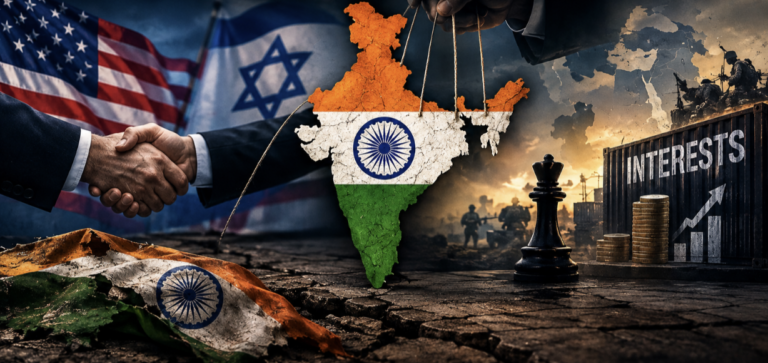
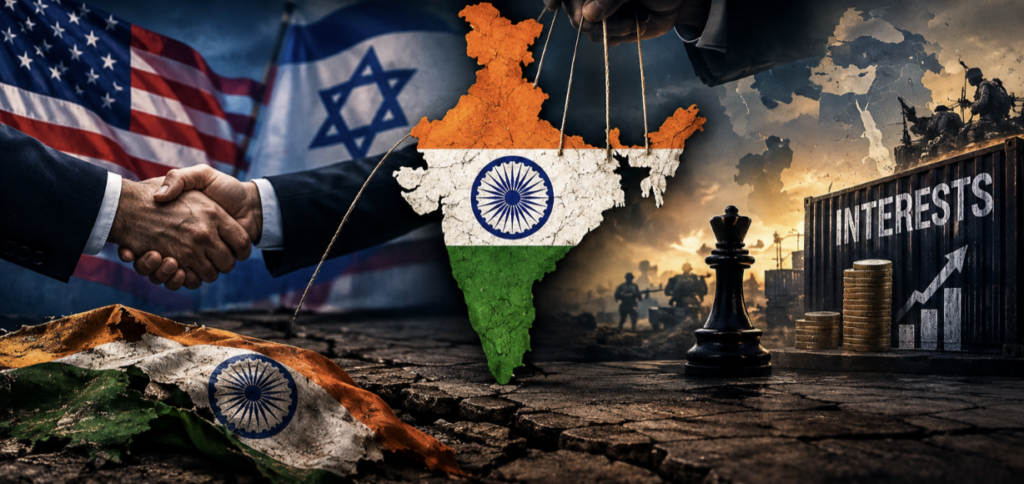
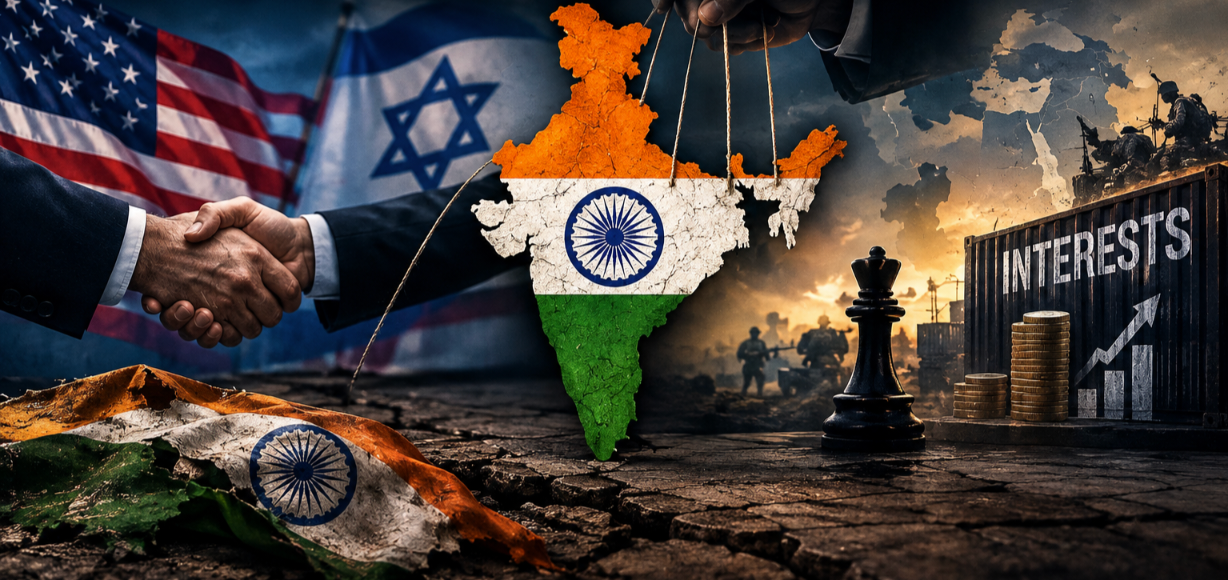
India describes itself as the world’s largest democracy and a responsible global power. However, its actions and the controversies emerging in various countries raise questions about this claim. Its purchases of oil from Russia, defense cooperation with Israel, allegations of Indian intelligence activities in Western countries, and Canada’s designation of the Lawrence Bishnoi gang as a terrorist organization all point to an environment in which India’s global reputation and foreign policy priorities remain under constant scrutiny. The fundamental question is whether New Delhi seeks partnerships based on principles or uses its relationships with global powers as circumstances demand to advance its own interests.Despite Western sanctions against Russia following the war in Ukraine, India continued purchasing Russian oil. New Delhi defends this policy on the grounds of its energy requirements and national interests, but Washington has strongly criticized the trade. In August 2025, Peter Navarro, a trade adviser to US President Donald Trump, linked India’s purchases of Russian oil to the war in Ukraine, calling it “Modi’s war.” He alleged that Indian purchases were providing financial resources to Russia’s war machine.
US Treasury Secretary Scott Bessent also described India as a “bad actor” in the context of its purchases of Russian oil.These statements were not merely verbal criticism; they reflected a clash of interests between Washington and New Delhi. The United States considers India an important strategic partner, but when Indian trade with Russia came into conflict with US policy, disagreements within that very partnership became apparent. India has the right to conduct trade according to its own interests. Nevertheless, the potential impact of revenue generated from Russian oil on the war cannot be ignored. This contradiction highlights the gap between India’s claim of strategic autonomy and the expectations of Western countries.More serious questions about India’s policies arise in connection with its defense cooperation with Israel. Amid the killing of Palestinian civilians and the widespread destruction in Gaza, the supply of military equipment to Israel by Indian companies has become a matter of international concern. According to Amnesty International’s July 2026 report, Made in India:
The Supply of Weapons and Ammunition to Israel, the organization analyzed at least 2,596 shipments of weapons, ammunition, and military components sent from India to Israel between October 2023 and November 2025. The report mentioned the supply of artillery shells, components for explosive ammunition, and parts for military vehicles.Amnesty warned that continued supplies, despite the risk that military equipment could potentially be used in serious international crimes against Palestinians, could expose India and the companies involved to the risk of complicity in violations of international law. It would be inaccurate to claim that the report directly linked every Indian weapon to a specific Palestinian death. However, its findings raise serious questions about India’s arms exports and the mechanisms in place to monitor them. If India presents itself as a supporter of human rights, it must clarify the extent to which its stated principles are reflected in practice when it comes to protecting Palestinian civilians.Another issue affecting India’s international reputation is Canada’s designation of the Lawrence Bishnoi gang as a terrorist organization. On September 29, 2025, the Canadian government added the gang to its list of terrorist entities under the country’s Criminal Code. According to Public Safety Canada, the group is involved in activities such as extortion, murder, shootings, and arson, and has been responsible for intimidating South Asian communities, prominent individuals, and businesses in Canada.
This decision is particularly significant for India because Canadian authorities have described the group as a transnational criminal organization operating primarily in India. The real significance of this matter lies in cross-border organized crime, the security of immigrant communities, and cooperation between law enforcement agencies. Canadian authorities have made it clear that action against the group is intended to protect affected communities and prevent the financing of criminal activities.Meanwhile, alleged plots to target Sikh separatist leaders in Canada and the United States have raised further questions about Indian intelligence activities. Canada has made allegations concerning the possible involvement of Indian agents in the killing of Hardeep Singh Nijjar, while criminal proceedings have taken place in the United States in connection with an alleged plot to assassinate Gurpatwant Singh Pannun. India has rejected these allegations. It is important to maintain a distinction between allegations, judicial findings, and state responsibility in these cases. Nevertheless, their seriousness cannot be denied. If officials of one country are found to have engaged in illegal activities on the territory of another, this poses a direct challenge to that country’s sovereignty and the rule of law.Alleged assistance to Russia, arms supplies to Israel, the Bishnoi gang’s designation as a terrorist organization in Canada, and allegations of espionage abroad are raising serious questions internationally about the contradictions in Indian foreign policy.The fundamental contradiction in India’s foreign policy is that, on the one hand, it is expanding its defense ties with the United States and Western countries, while on the other, it continues economic cooperation with Russia and strengthens its defense relations with Israel. New Delhi describes this approach as strategic autonomy. However, when its decisions conflict with the interests of its partners, questions of trust arise. The Russian oil trade, arms supplies to Israel, and controversies surrounding alleged intelligence activities abroad cannot all be treated as identical incidents. Nevertheless, they all contribute to the debate over India’s global role and its responsibilities.India has also faced international criticism over Kashmir, the rights of religious minorities, and freedom of expression. The Indian government disputes a number of these allegations, but the reputation of any democratic state is shaped by more than its electoral process or economic development. It also depends on civil liberties, minority rights, the rule of law, and government accountability.India must decide whether it merely wants to attain the status of a global power or is also prepared to accept the responsibilities that come with it. Military strength, economic development, and extensive diplomatic relations do not automatically make a country trustworthy. Trust is built through transparency, legal accountability, consistency, and respect for the sovereignty of other countries.If New Delhi genuinely wishes to become a responsible global power, it must take its obligations concerning human rights and international law as seriously as its defense interests. In global politics, interests can establish relationships, but trust is essential to making those relationships last.