
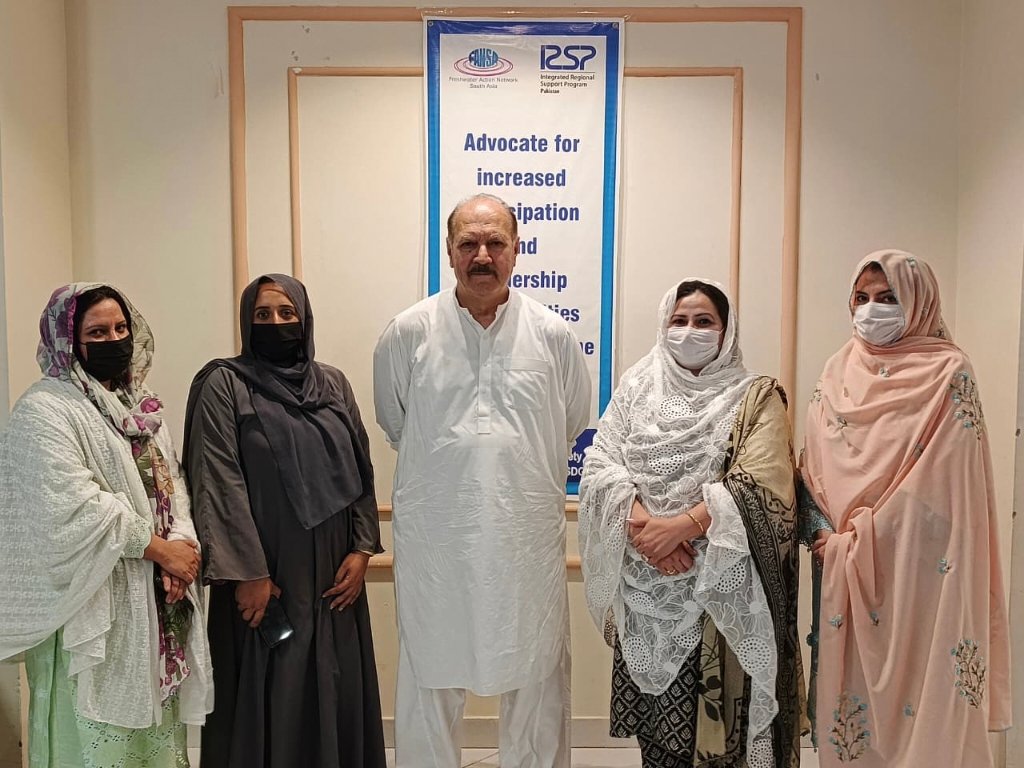
MARDAN: A significant workshop was organized by IRSP (Integrated Regional Support Programme) and Freshwater Action Network South Asia (FANSA) to promote the effective participation of women in the Water, Sanitation, and Hygiene (WASH) sector and to advocate for greater leadership opportunities for them.
The workshop was attended by female students from various colleges and universities, women from different walks of life, social activists, community representatives, officials of development organizations, and members of civil society.Speaking on the occasion, IRSP Executive Director Shah Nasir, Muhammad Ismail, Nosheen Sardar, and other speakers highlighted the vital role women play in the WASH sector. They noted that women are primarily responsible for household water management, implementation of hygiene practices, and maintaining sanitation standards within communities.
The speakers emphasized that providing women with opportunities in decision-making, planning, and leadership can significantly enhance the effectiveness and sustainability of WASH sector programs. They stated that women’s participation not only contributes to solving local challenges more effectively but also plays a crucial role in achieving broader social development and public health objectives.During the workshop, detailed discussions were held on the challenges faced by women, gender equality, leadership development, effective representation at the community level, and employment opportunities in the WASH sector. Participants expressed their commitment to strengthening collective efforts aimed at empowering women and promoting them to leadership positions.The speakers further stressed that access to clean water and improved sanitation facilities is a fundamental right of every citizen, and that meaningful participation of women is essential to achieving these goals. They urged the government, development agencies, and civil society organizations to take practical measures to ensure equal opportunities for women, provide training programs, and enhance their representation in decision-making processes.
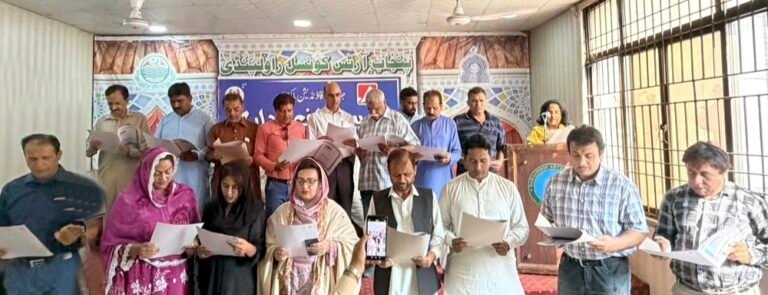
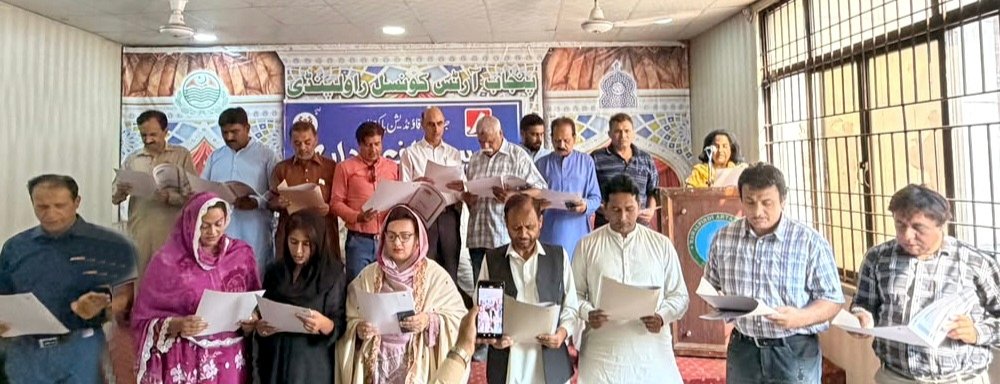
At the conclusion of the workshop, participants reaffirmed their commitment to promoting women’s leadership, ensuring gender equality, and enhancing women’s effective participation in the WASH sector. They pledged to continue working toward building a healthier, cleaner, and more developed society.Shah Nasir stated that sustainable development cannot be achieved without the active and meaningful participation of women, emphasizing that empowering women is key to creating resilient and prosperous communities.