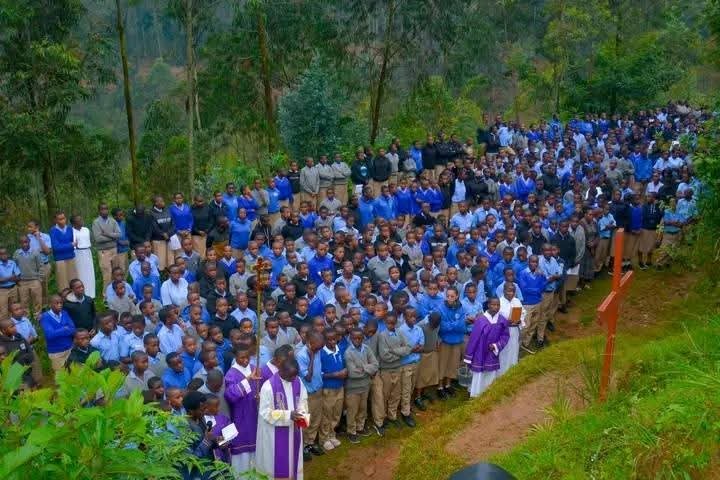

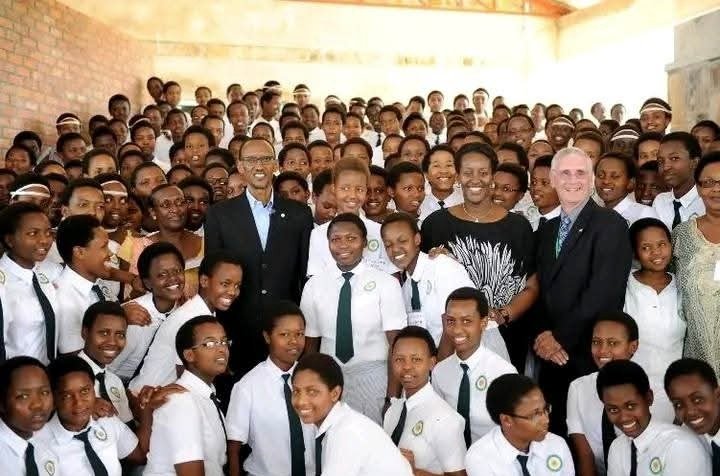
Rwanda has taken a powerful step toward inclusive development by expanding free education to cover both primary and secondary levels. Under the leadership of Paul Kagame, the country has made education a national priority, recognizing it as the foundation for long-term growth and stability.In the aftermath of 1994, Rwanda faced the enormous task of rebuilding its institutions, including its education system.
The government responded with a clear vision: to create equal learning opportunities for every child, regardless of social or economic background. This commitment led to sweeping reforms aimed at transforming education from a privilege into a universal right.A landmark achievement in this journey has been the introduction of free and compulsory basic education. Initially launched as the Nine-Year Basic Education program, it was later expanded into Twelve-Year Basic Education. This policy removed financial barriers for families, allowing millions of children to attend school without paying fees. As a result, enrollment rates surged nationwide, particularly among girls and children from disadvantaged communities. New schools were constructed, and teacher recruitment increased to meet growing demand.
Beyond access, Rwanda’s education reforms emphasize quality and future readiness. The curriculum now focuses on science, technology, and critical thinking to equip students with skills for a modern economy. Initiatives like the One Laptop per Child program and the expansion of Technical and Vocational Education and Training (TVET) have introduced practical and digital learning into classrooms.While challenges remain, Rwanda’s direction is clear. By investing in education, the country is investing in its people—laying the groundwork for innovation, unity, and sustainable progress.