
ISLAMABAD, June 19 (IN): Energy experts, economists, climate policy specialists and civil society representatives on Friday called for comprehensive reforms in Pakistan’s energy sector, and urged the government to prioritize grid modernization, energy storage, climate finance, transport electrification and governance reforms in future budgetary planning.
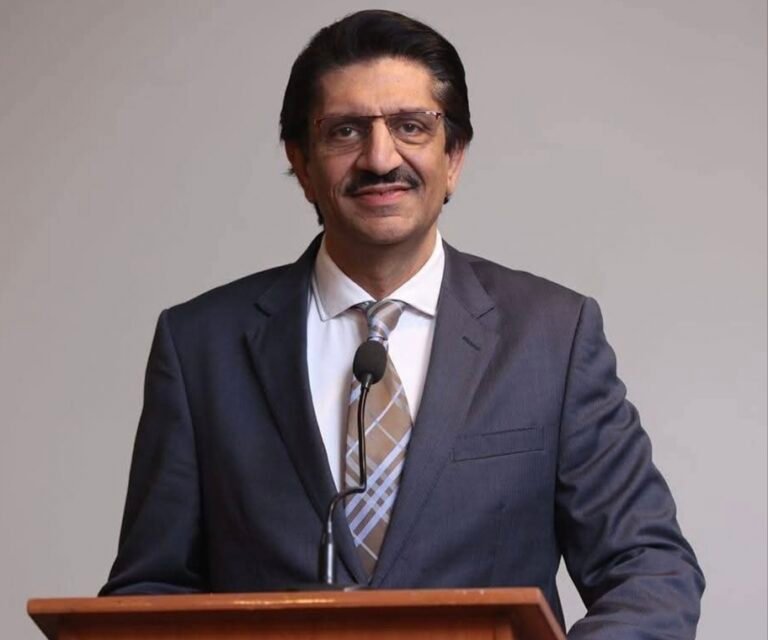
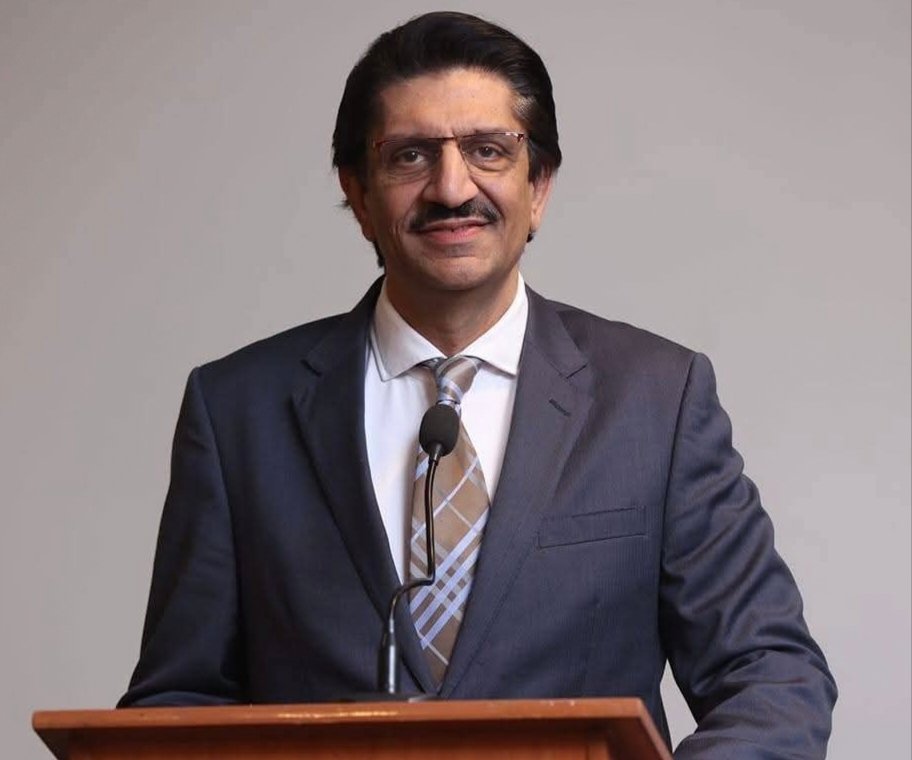
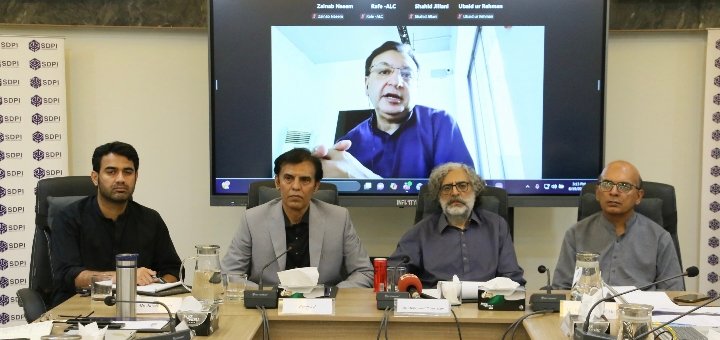
The recommendations were made during a post-budget dialogue titled Energy Sector Allocations and Policy Priorities organized by the Sustainable Development Policy Institute (SDPI) and Pakistan Renewable Energy Coalition (PREC), where participants reviewed the federal budget’s implications for energy transition, climate resilience and fiscal sustainability.Opening the discussion, Dr Abid Qaiyum Suleri, Executive Director of the Sustainable Development Policy Institute (SDPI), stressed the need to align energy-sector investments with sustainability, affordability and climate resilience objectives.
He emphasized that fiscal planning should support Pakistan’s long-term energy transition while addressing structural inefficiencies in the power sector.Providing a macroeconomic perspective, Dr Khaqqan Najeeb, Senior Economist, Public Policy Expert and former Adviser to the Ministry of Finance, described the Petroleum Development Levy as a regressive source of revenue that disproportionately affects lower-income groups. He called for revisiting the levy through the National Finance Commission framework and advocated ring-fencing carbon levy revenues for climate and green investments.
Dr Najeeb also highlighted persistent inefficiencies in the power sector, including circular debt, line losses and weak collection mechanisms. He argued for targeted subsidies, improved governance of distribution companies and greater transparency in energy-sector financing.Ubaid Ur Rehman Zia, Head of Energy Unit at SDPI, outlined key budgetary allocations for the energy sector, noting that Rs116.2 billion had been earmarked under the Public Sector Development Programme (PSDP), including Rs88 billion for the power division and Rs28.2 billion for hydropower projects.
He highlighted allocations for transmission infrastructure and battery energy storage systems, describing them as positive steps toward grid modernization and renewable energy integration.Presenting the PREC, Dr Omais Abdur Rehman welcomed the government’s decision not to impose additional taxes on solar photovoltaic systems and electric vehicles despite pre-budget concerns. However, he expressed disappointment over the limited allocation for the Battery Energy Storage System (BESS) project, which received only Rs500 million against a requirement of approximately Rs112 billion.He criticized inconsistent taxation policies for batteries used in electric vehicles and solar systems, saying they discourage local manufacturing. He also called for dedicating a portion of the Petroleum Development Levy (PDL) to developing EV infrastructure and charging networks.
According to him, budgetary priorities should shift from additional generation projects towards strengthening grid resilience, flexibility and modernization.Zainab Naeem, Head of Ecological Sustainability and Circular Economy at SDPI, highlighted significant reductions in climate-related spending. She noted that the Ministry of Climate Change and Environmental Coordination received only Rs2.48 billion under the PSDP, representing a small share of overall development spending despite Pakistan’s growing climate vulnerabilities.She pointed out that adaptation spending had declined while mitigation allocations had been reduced sharply.
Although climate-related levies and green revenues have increased substantially, she said the absence of mechanisms to ring-fence these revenues for climate action undermines Pakistan’s ability to finance adaptation and mitigation measures. She also emphasized that Pakistan’s solar energy expansion has largely been driven by citizens and market demand rather than direct government intervention.Badar Alam, Chief Executive Officer of the Policy Research Institute of Equitable Development (PRIED), said the Petroleum Development Levy has evolved into one of the government’s largest revenue sources, growing exponentially over recent years. He argued that the levy weakens fiscal federalism and parliamentary oversight while placing a disproportionate burden on consumers.Rafay from ACL highlighted the growing circular debt crisis in the gas sector, which he said has reached approximately Rs3.44 trillion. He argued that much of this debt consists of inter-company surcharges among state-owned entities and called for reforms to improve operational efficiency and demand management.
Rafay also proposed ring-fencing savings generated through reduced RLNG imports to support industrial decarbonization and cleaner energy technologies. He urged policymakers to align fiscal measures with Pakistan’s climate commitments and energy transition objectives.Speaking on transport electrification, Shahid Shah Jilani of the Indus Consortium welcomed the allocation of Rs9 billion under the Pakistan Accelerated Vehicle Electrification programme for electric two- and three-wheelers.
However, he expressed concern over the lack of dedicated funding for EV charging infrastructure and the absence of a transition strategy for workers dependent on conventional fuel industries.Closing the session, Mukhtar Ahmed Ali, Executive Director of the Centre for Peace and Development Initiatives (CPDI), acknowledged progress in macroeconomic stabilization but warned that rising current expenditures and mounting project liabilities continue to constrain development spending.He criticized the limited scrutiny of budget proposals in parliamentary committees and called for stronger institutional mechanisms to improve transparency, accountability and public oversight.
Sustainable reforms, he argued, require addressing broader governance and political economy challenges.The session concluded with reflections on the documentary “Shamsi” by Jawad Sharif, which highlighted how off-grid solar energy is transforming livelihoods in remote communities of South Punjab. Participants said the film demonstrated the potential of community-led renewable energy solutions to improve energy access, agricultural productivity and climate resilience.