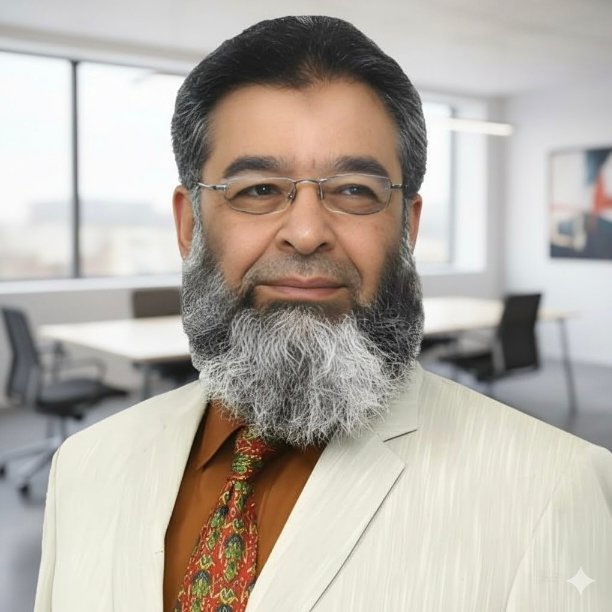


By Sheikh J. Hussain London
Jawadkhayal@icloud.com
Nations are often judged by the size of their economies, their military budgets, or the strength of their currency. Yet true influence in international affairs is not measured solely in gold or arms. It is measured in trust, in diplomatic skill, and in the quiet ability to step forward when others step back. Pakistan’s recent role on the world stage offers a striking example of this truth. Here is a nation facing well‑documented economic challenges, yet one whose global standing has risen notably in recent times. It is a paradox that defies standard textbooks — and a story worth telling.Pakistan has long faced unfair and one‑sided accusations on the international stage. Some have painted the country with a broad brush, labelling it in ways that ignore its immense sacrifices and its consistent struggle against forces that threaten regional and global peace. In a firm yet measured manner, Islamabad has corrected this narrative.
It has pointed out that Pakistan itself has been among the first and worst victims of the very challenges it has been accused of spreading. This is not defiance — it is clarity. It sends a powerful message: lasting peace comes through mutual respect and shared effort, not through blame or bias.Consider the critical situation in the Strait of Hormuz, one of the world’s most vital shipping lanes. At a time when global trade was gripped by uncertainty, when vessels hesitated to sail, and when major powers remained hesitant to guarantee safe passage — Pakistan stood firm. Ships sailing under Pakistani protection moved through those troubled waters safely. In that moment, the world saw something important: that reliability is more valuable than wealth. Pakistan demonstrated that trust is the currency that never loses its value, even when markets fluctuate.In international relations, a promise kept is worth more than a loan given.
When Pakistan reassured the United Arab Emirates regarding the repayment of three billion dollars in financial support, it was about far more than meeting a financial obligation. It was a demonstration of character. In a world where agreements are too often broken or renegotiated when convenient, Pakistan showed that honour and commitment remain the foundation of true friendship between nations.Perhaps most notably, Pakistan’s diplomatic engagement secured a vital two‑week window for de‑escalation from the highest levels in Washington. This was no small achievement. It required clear reasoning, steady nerves, and the courage to speak truth to power — and to be heard. It proved that influence is not granted by status alone, but is earned through credibility and the consistent pursuit of peace.In another landmark achievement, Pakistan has successfully forged a landmark defence agreement between itself, Turkey, and Saudi Arabia — a partnership that stands as one of the most significant diplomatic milestones in recent times. This historic accord brings together three major nations with shared interests in regional security, stability, and mutual defence. Its benefits are far‑reaching: it strengthens collective security, fosters joint defence production and technological cooperation, creates deeper strategic alignment, and opens new avenues for economic and industrial collaboration.
It sends a clear message that Pakistan is not only a guardian of its own borders but a bridge between nations, uniting friends for the common good. This agreement is a testament to Pakistan’s growing influence and its ability to bring powerful nations together in shared purpose.None of this would have been possible without the tireless efforts, shared vision, and seamless coordination of Pakistan’s leadership. Field Marshal General Asim Munir has served with distinction, wisdom, and unshakeable dedication to the nation’s security, sovereignty, and global standing.
His statesmanship, foresight, and principled approach have been central to steering Pakistan through these testing times with honour and resolve. Alongside him, Prime Minister Shahbaz Sharif has worked tirelessly, day and night, to steer the country through economic difficulty while pursuing a foreign policy rooted in respect, dialogue, and national interest. Together, their combined strength, wisdom, and dedication have been pivotal in restoring Pakistan’s voice and its rightful place on the world stage.At the United Nations, Pakistan took a principled stand regarding the Bahrain agreement at a time when many nations chose silence over courage. It stood for fairness and for dialogue, refusing to be swept along by prevailing winds. In the same spirit, the acknowledgment of Iran’s ancient civilisation and historical heritage opened a necessary path toward understanding.
Pakistan has consistently argued that respect and conversation are the only sustainable ways to resolve conflict — not threats, and certainly not war.Even amid all this global activity, life within Pakistan continued with remarkable composure. People worked from home, fulfilled their responsibilities, and watched their national cricket league with enthusiasm. To outside observers, this might appear contradictory — a nation facing hardship yet carrying on with such calm confidence. But that is precisely the point. This resilience is Pakistan’s greatest strength. It shows a people who do not panic in a crisis, who do not lose hope, and who refuse to let hardship steal their joy or their unity.Economists and political analysts may struggle to explain Pakistan. By conventional measures, the currency is under pressure, debts are substantial, and the budget faces significant deficits. Yet by every measure that truly matters — respect, influence, trust, and moral standing — Pakistan is rising.
This is the great paradox: a nation that appears fragile on paper, yet stands tall in the councils of the world. Any other country in similar circumstances might have bowed to pressure or chosen sides for short‑term gain. Pakistan did neither. It faced its own difficulties and helped save the world from wider conflict — all at the same time.There is an old wisdom in this part of the world: that when all else fails, faith, patience, and principle will sustain a nation.
Pakistan has proven that this is no mere saying — it is a reality. It has shown that a nation can ask for help without losing its dignity, can face hardship without losing hope, and can remain true to its friends and its values when others falter.In the end, Pakistan offers the world a powerful lesson: that greatness is not found in ease or luxury. It is found in standing tall when the ground beneath you is shaking. It is found in keeping your word when it costs you dearly. And it is found in reaching out to help others, even when you yourself are in need. That is the true measure of Pakistan’s diplomacy — and its enduring legacy.