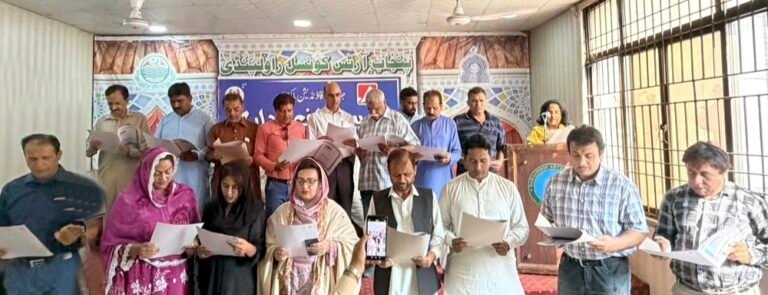


A two-day training workshop was organized in district Shangla aimed at equipping local rural organizations with the knowledge and tools to effectively respond to the growing challenges posed by climate change. The workshop focused on developing comprehensive strategies and practical recommendations to enhance community-level response to climate-related risks.The training was conducted under the Integrated Climate Risk Management project, funded by the Green Climate Fund in collaboration with the World Food Programme and implemented by Muslim Hands Pakistan. The initiative is currently being executed in Shangla and Buner districts.The primary objective of the project is to strengthen institutional and technical capacities of rural organizations by establishing effective governance structures at the local level. This approach aims to empower communities to actively participate in decision-making, planning, and implementation processes related to climate adaptation and disaster risk reduction.
Through a series of training sessions, participants were guided on building transparent and accountable systems within their organizations. These systems are expected to contribute to sustainable development, disaster preparedness, and the promotion of climate-resilient livelihoods in vulnerable areas.The project specifically targets enhancing the resilience of communities against the adverse impacts of climate change, including unexpected floods, landslides, and extreme weather conditions. It emphasizes enabling rural organizations to independently identify local challenges, prioritize needs, design development plans, and efficiently utilize available resources.A key component of the initiative is the organization of extensive capacity-building activities for members of rural organizations.
These efforts are aimed at fostering participatory governance and strengthening partnerships among stakeholders to ensure long-term sustainability and effectiveness of interventions.The project is currently implementing relief and capacity-building activities in two disaster-affected union councils of Shangla, namely Pirabad and Pirkhana.The workshop was attended by Deputy Commissioner Shangla Muhammad Abdullah Shah, Additional Deputy Commissioner (Relief) Fida Hussain, representative of the World Food Programme Syed Rahman, Project Manager of Muslim Hands Pakistan Shangla Syed Haroon Bacha, CBPP Expert Pir Muqaddar Shah, Monitoring and Evaluation Officer Fida Hussain, trainers Khalid Iqbal and Irshad Ahmad, along with secretaries from the local government department, representatives of rural organizations, and a large number of staff members from Muslim Hands Shangla.
Participants appreciated the initiative and expressed confidence that such training programs would significantly enhance the preparedness and resilience of local communities against climate-induced disasters.