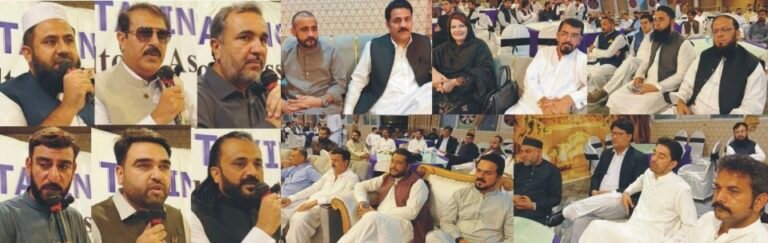

The Right to Information Act 2013 in Khyber Pakhtunkhwa is regarded as a revolutionary law, under which citizens have been granted the constitutional and legal right to obtain information from public institutions. This law not only promotes transparency in governmental affairs but also plays a key role in strengthening the democratic system. According to experts, without access to information, neither public accountability is possible nor can the dream of good governance be realized.In this context, an important seminar titled “Safe, Free, and Effective Media” was organized at a local hall in Mardan by non-governmental organizations IRSP and TDEA.
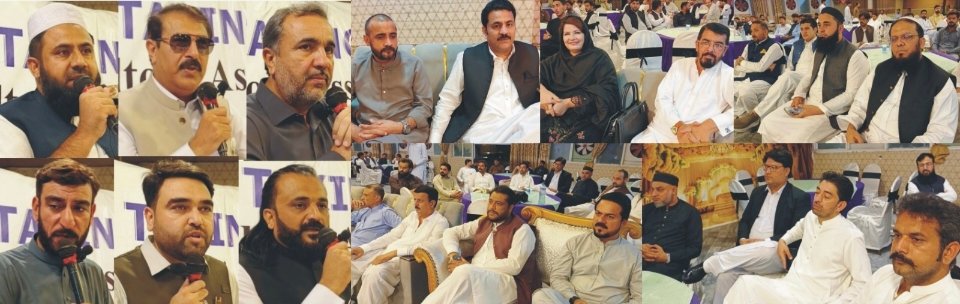
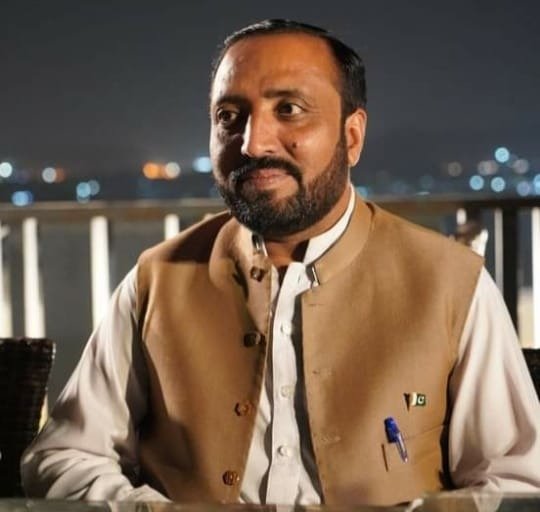
The Additional Deputy Commissioner (Human Rights) Mardan, Iqbal Hussain Khattak, attended as the chief guest. The seminar was attended by a large number of participants, including representatives of government departments, civil society members, political workers, lawyers, teachers, students, and former local government representatives, reflecting the importance of the subject.In his address, Iqbal Hussain Khattak stated that the Government of Khyber Pakhtunkhwa is taking serious steps to ensure citizens’ right to access information. He emphasized that special attention is being given to enhancing the capacity of relevant institutions and making the system more effective so that the public can receive timely and accurate information. He added that the provision of information not only eliminates misunderstandings but also accelerates the resolution of public issues.Other speakers at the seminar, including Professor Muhammad Abrar, Rahat Khan, Abbas Shah, Advocate Taj Ghani, Nazia Shah, Aziz Ahmad, and others, highlighted the importance and usefulness of the Right to Information Act 2013. They stated that this law is an effective means of building trust between the public and the state; however, public awareness is essential for its effective implementation.
On this occasion, IRSP Program Coordinator Muhammad Ismail gave a detailed briefing on panel discussions and awareness activities held in educational institutions in Mardan. He also presented the outcomes and recommendations of a three-and-a-half-month-long project, emphasizing the need to educate youth about this law. According to him, the younger generation will take on future leadership roles, so raising awareness about their rights is of utmost importance.Speakers also stressed that a strong, free, and responsible media serves as a catalyst for positive change in society. The media not only highlights public issues but also strengthens the process of accountability by monitoring the performance of government institutions. However, challenges faced by journalists—such as limited access to information, security concerns, and lack of professional freedom—require immediate attention.During the event, emphasis was also placed on raising awareness about this law among women, youth, and marginalized communities so they can actively play their role in securing their rights.
At the end of the ceremony, a shield was presented to the chief guest, Iqbal Hussain Khattak, while informational materials and awareness banners were distributed among the participants. The speakers expressed their commitment to continue organizing such programs in the future to promote transparency, accountability, and the rule of law in society.This seminar stands as a clear example that if state institutions, civil society, and the media work together, a transparent, accountable, and strong democratic society can be built.