
With only three days remaining until the opening of the Fourth High-Level International Conference on the International Decade for Action “Water for Sustainable Development, 2018–2028,” final preparations are underway in Dushanbe, Tajikistan. Scheduled for May 25–28, 2026, the conference is expected to bring together heads of state, ministers, United Nations officials, representatives of international organizations, scientists, civil society, youth groups, and private-sector leaders to address some of the world’s most pressing water challenges.
The conference comes at a critical time when water security is increasingly threatened by climate change, population growth, environmental degradation, and growing demand for freshwater resources. As one of the most important global gatherings on water and sustainable development, the event is expected to play a key role in shaping international discussions ahead of the 2026 United Nations Water Conference.Water remains the foundation of life and a vital element for sustainable development, food security, public health, energy production, environmental protection, and economic growth.
Participants will discuss ways to strengthen international cooperation and accelerate action to ensure the sustainable management of water resources in the face of mounting global challenges.A major focus of the conference will be the protection and restoration of water-related ecosystems. Rivers, lakes, wetlands, and glaciers are essential not only as sources of freshwater but also as critical ecosystems that support biodiversity and human livelihoods. Discussions will promote a comprehensive “source-to-sea” approach aimed at restoring ecosystems, reducing pollution, and improving the protection of natural water systems.The conference will also examine the growing relationship between water insecurity and human mobility.
Water scarcity, climate-related disasters, droughts, floods, and ecosystem degradation are increasingly contributing to internal displacement and cross-border migration, creating social and economic pressures in many parts of the world. Participants will explore how water-related factors can be better integrated into policies on climate adaptation, development, and humanitarian assistance.Tajikistan’s Minister of Foreign Affairs, Sirojiddin Muhriddin, has emphasized the importance of collective action in addressing global water challenges.”Taking care of water means taking care of our common future,” the minister said while renewing his call for governments, international organizations, financial institutions, academic institutions, youth groups, businesses, and other stakeholders to participate in the conference.International and regional water cooperation platforms will also feature prominently in discussions.
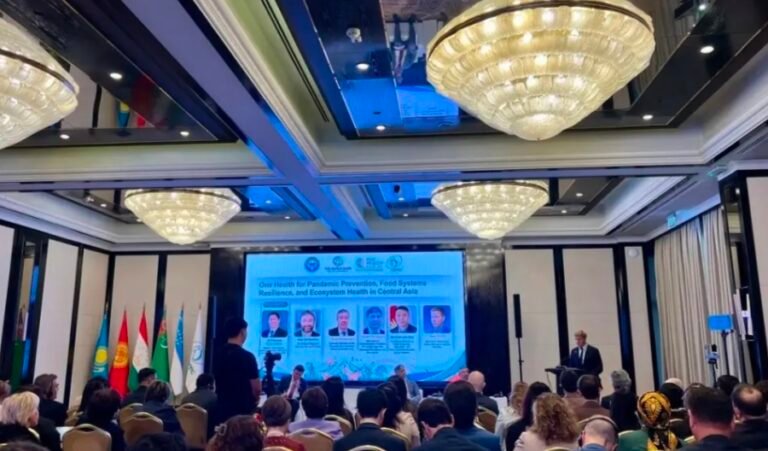
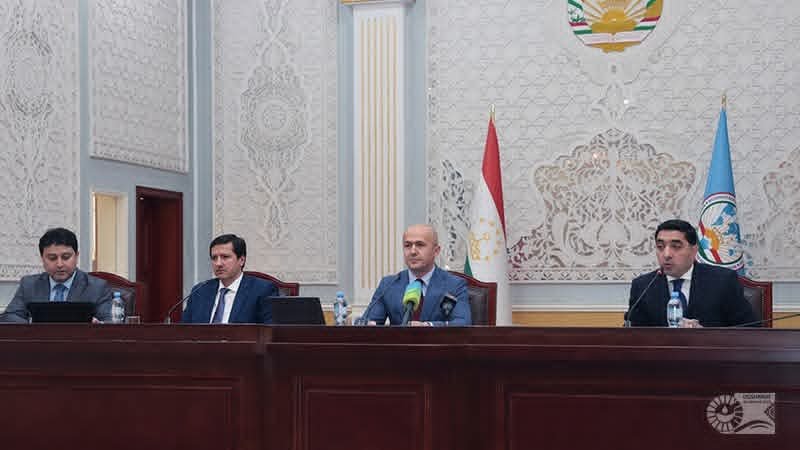
These initiatives play a crucial role in promoting the exchange of knowledge, coordinating actions, and mobilizing resources. Dushanbe 2026 will provide an opportunity for various partnerships and regional processes to present their achievements, share experiences, and strengthen collaboration in support of global water goals.Financing solutions for the water sector will be another key theme of the conference. Experts will discuss innovative financial mechanisms, including green bonds, blended finance, and results-based funding models, which are increasingly being used to support water infrastructure, sanitation projects, ecosystem restoration, and climate resilience initiatives. Participants will examine successful examples of private-sector engagement and explore ways to attract greater investment into water-related projects.As part of preparations for the conference, a special briefing was recently held at the Ministry of Foreign Affairs of the Republic of Tajikistan. The event was led by Deputy Foreign Minister and Head of the Conference Secretariat, Sanoi Boyzoda, who provided diplomats, representatives of international organizations, government officials, and media representatives with an update on organizational arrangements and conference preparations.Recognizing the importance of evidence-based policymaking, the conference will also focus on strengthening the connection between scientific research, policy development, and practical implementation.
Dedicated sessions will bring together scientists, policymakers, and practitioners to discuss innovative solutions for water resources management, climate adaptation, and sustainable development.Inclusivity will remain a central principle throughout the conference. Organizers have ensured broad participation from governments, UN agencies, non-governmental organizations, academia, women, youth, indigenous communities, and the private sector. This diverse engagement is expected to enrich discussions, strengthen partnerships, and generate practical recommendations for advancing the global water agenda.As delegates prepare to gather in Dushanbe, expectations continue to grow that the conference will deliver meaningful outcomes and renewed commitments to address the world’s escalating water challenges. The event is expected to serve as a powerful platform for international cooperation, helping to advance a more sustainable, resilient, and water-secure future for all.